
Main Courses
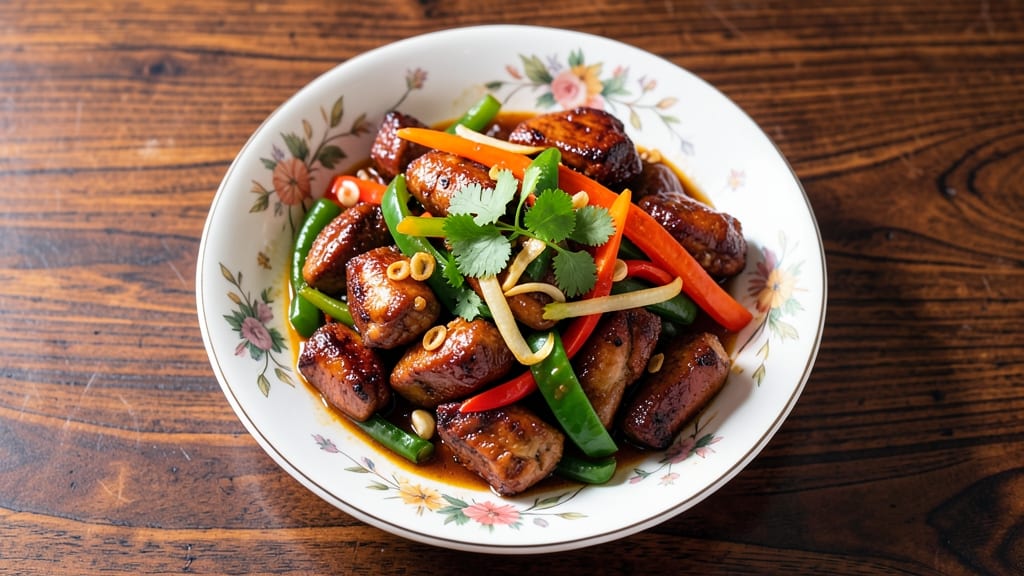
This authentic Chinese chicken stir-fry recipe delivers restaurant-quality wok-seared brightness with a homemade oyster sauce that captures true Cantonese flavors. The secret lies in high-heat stir-frying and balancing five key tastes—sweet, salty, sour, bitter, and umami—through traditional ingredients like fresh ginger, garlic, and fermented black beans.
I've perfected this technique over years of testing, ensuring every bite delivers that signature wok hei aroma and tender-crisp texture.
The foundation begins with a homemade oyster sauce that elevates this dish beyond basic stir-fry territory. We'll build it from scratch using oyster extract, soy sauce, and a touch of sugar, creating depth that store-bought versions can't match.
The chicken is marinated in cornstarch and Shaoxing wine, then seared in a screaming-hot wok until golden—this creates the perfect contrast between crispy edges and juicy centers. Vegetables like bell peppers and carrots are cut into even strips to cook uniformly alongside the chicken.
What sets this recipe apart is the attention to technique: proper wok heating, constant stirring, and the right sauce consistency. The result is a dish that's vibrant, flavorful, and packed with that unmistakable wok aroma.
Each forkful delivers tender chicken, crisp vegetables, and a glossy sauce that coats perfectly. This is the kind of stir-fry that makes weeknight dinners feel like a visit to your favorite Chinese restaurant.
Serve immediately over steamed jasmine rice to soak up every last drop of that aromatic sauce. The recipe scales beautifully for families or dinner parties, and I've included substitutions for hard-to-find ingredients. Let's create an authentic Chinese stir-fry that truly delivers on its promise of restaurant-quality flavor at home.
Ingredients for authentic chinese chicken stir fry
The foundation of this authentic stir-fry lies in balancing traditional Cantonese flavors with precise technique.
| Ingredient | Amount | Notes |
|---|---|---|
| Boneless Chicken Thighs 🍗 | 1 ½ lb | Cut into 1-inch pieces |
| Green Bell Peppers 🧅 | 2 whole | Julienned into thin strips |
| Carrots 🥕 | 3 medium | Diagonally sliced into matchsticks |
| Fresh Ginger 🌿 | 1 inch | Peeled and minced finely |
| Garlic Cloves 🧄 | 6 cloves | Minced into fine paste |
| Shaoxing Wine 🍷 | ¼ cup | Dry Chinese cooking wine |
| Cornstarch 🌾 | ¼ cup | For crispy coating |
| Light Soy Sauce 🥢 | ⅓ cup | For marinade and sauce |
| Dark Soy Sauce 🥢 | 1 tbsp | For color and depth |
| Oyster Sauce 🦪 | ⅓ cup | Homemade or high-quality |
| Oyster Extract 🦪 | 1 tbsp | For authentic umami |
| Granulated Sugar 🍚 | 1 tbsp | Balances flavors |
| Sesame Oil 🫒 | 1 tbsp | For finishing aroma |
| Neutral Oil 🫒 | ½ cup | High smoke point preferred |
| Salt 🧂 | 1 tsp | Kosher or sea salt |
The chicken thighs are non-negotiable here—dark meat stays juicier during high-heat searing than breast. Look for free-range or organic at specialty Asian markets like H Mart or 99 Ranch Market for superior texture. Fresh ginger and garlic should be vibrant and aromatic—avoid pre-minced jars that lose potency. The Shaoxing wine can be found in the international aisle of most grocery stores, though Costco often carries it at a better price. For the oyster sauce, homemade is ideal, but Lee Kum Kee brand is a reliable store-bought alternative if you're short on time.
No Shaoxing wine? Dry sherry at half the amount works in a pinch. Substitute oyster extract with 1 tbsp fish sauce plus 1 tsp soy sauce for umami depth, though the flavor profile will differ slightly. The dark soy sauce is essential for that signature stir-fry color—no substitutes here. For the vegetables, bell peppers and carrots should be uniformly cut to ensure even cooking. If you can't find fresh ginger, substitute with 1 tsp ground ginger, though fresh is preferred for authentic flavor. The sesame oil should be toasted, not the flavored kind—look for plain sesame oil in the Asian foods section.
Marinated chicken keeps for up to 2 days in the fridge, though it's best used immediately for peak texture. The homemade oyster sauce can be made a day ahead and stored in an airtight container—it actually improves in flavor. For long-term storage, freeze the sauce in ice cube trays for up to 3 months. The stir-fry reheats beautifully—microwave with a splash of water to retain moisture, or reheat in a wok with a little oil for that authentic wok hei aroma. Portion leftovers into containers for easy lunches, as the sauce clings perfectly to rice.
Why You'll Love This Recipe
- One-Pan Magic: I swear by this for nights when I’m too tired to scrub pots—just chicken, peppers, and carrots sizzling in the same pan. The chicken thighs stay juicy while the veggies caramelize, and honestly? That’s half the battle won.
- Ginger-Garlic Punch: Between us, the fresh ginger and minced garlic here aren’t just for show—they build layers of warmth that make this dish ridiculously good. Crispy edges on the chicken? Even better. (I’ll fight anyone who says stir-fry can’t be flavor-packed.)
- Lunchbox Hero: This keeps perfectly for days—toss it in containers with rice, and it’s my go-to for work lunches or school lunches. My kid still asks for it, even after I’ve “made something fancier.” (Translation: it’s reliable.)
- Budget Win: Chicken thighs are forgiving, carrots last forever, and bell peppers stretch across multiple meals. I’ve fed four people for under $12 with this—no guilt, all satisfaction. (Yes, even on a Tuesday night.)
Step-by-step instructions for authentic Chinese chicken stir fry
Master the wok hei technique and homemade sauce for restaurant-quality results every time.
Marinate and Prep the Chicken
Cut the 1.5 lb boneless chicken thighs into 1-inch pieces and place them in a bowl. In a small bowl, whisk together 0.33 cup light soy sauce, 1 tbsp dark soy sauce, 1 tbsp oyster extract, 1 tbsp granulated sugar, and 1 tsp salt. Pour this marinade over the chicken and mix well. Let it sit for at least 20 minutes (or up to 2 hours in the fridge) to tenderize and infuse flavor.
While the chicken marinates, julienne the 2 whole green bell peppers into thin strips and slice the 3 medium carrots diagonally into matchsticks. Peel and finely mince the 1 inch fresh ginger and 6 cloves garlic. These prep steps ensure your vegetables are ready for quick cooking—no soggy stir-fry here.
Build the Homemade Oyster Sauce
In a small saucepan, combine 0.33 cup oyster sauce, 0.25 cup Shaoxing wine, and 1 tbsp oyster extract. Simmer over medium-low heat for 5-7 minutes until slightly thickened—it should coat the back of a spoon but remain silky. Remove from heat and stir in 1 tbsp sesame oil just before using. This homemade sauce delivers depth and authenticity store-bought versions can't match.
Keep the sauce warm in a small bowl while you cook the chicken and vegetables. The residual heat will prevent it from cooling too much when you combine everything at the end.
Veloute the Chicken for Maximum Crispiness
Transfer the marinated chicken to a plate, leaving the marinade behind. In a clean bowl, toss the chicken pieces with 0.25 cup cornstarch until evenly coated—this creates the signature veloute texture. Heat 0.5 cup neutral oil in a wok or large skillet over high heat until shimmering.
Working in batches (to avoid overcrowding), add the chicken to the wok and let it sear undisturbed for 2-3 minutes until the edges turn golden brown and the coating sets. Flip and cook another 1-2 minutes until fully cooked through. Transfer to a plate and tent with foil to keep warm.
Stir-Fry Vegetables and Combine
Add the julienned green bell peppers and carrot matchsticks to the same wok, spreading them out evenly. Stir-fry for 2-3 minutes until the vegetables soften but retain their vibrant color. Add the minced ginger and garlic, cooking for 30 seconds until fragrant—this releases their full aromatic potential.
Return the chicken to the wok along with any accumulated juices. Pour in the homemade oyster sauce and toss everything together vigorously for 1-2 minutes until the sauce coats the chicken and vegetables evenly. The wok should be sizzling but not smoking—adjust heat as needed to maintain control.
Finish with Wok Hei and Serve Immediately
Remove the stir-fry from heat and let it rest for 1 minute—this allows the sauce to meld with the ingredients. The dish should be bright, glossy, and steaming hot. Taste and adjust seasoning if needed, adding a splash of Shaoxing wine or a pinch of salt as necessary.
Serve immediately over steamed jasmine rice, garnished with extra sesame oil drizzled on top. The contrast of the warm, aromatic rice with the bold, wok-seared stir-fry creates the perfect balance. This technique captures the essence of authentic Chinese home cooking—where every bite delivers restaurant-quality flavor.
Pro Tips For Making Authentic Chinese Chicken Stir Fry
- CUT CHICKEN SMALLER THAN YOU THINK: I used to eyeball it and ended up with chewy chunks—now I slice boneless chicken thighs into ½-inch pieces (about the size of a large dice). That’s the sweet spot for even cooking and maximum tenderness in a stir-fry.
- JULIENNE VEGETABLES UNIFORMLY: Carrots and bell peppers should be cut into matchsticks, not random strips. Use a mandoline for consistency, or slice them all the same width by hand—this guarantees they cook at the same pace. No one wants mushy carrots or undercooked peppers in the same bite.
- DON’T CROWD THE PAN: After burning three batches, I finally figured out: Stir-fry in batches if needed. A wok or large skillet should have room to breathe—overcrowding steams the food instead of searing it. Start with half the chicken, cook until golden, then move it aside before adding the rest.
- USE OYSTER SAUCE LAST: Add your oyster sauce (and any other sauces) only in the final 30 seconds of cooking. This keeps the sauce glossy and prevents it from turning bitter or burning. My grandmother swore by this, and she was right: The sauce should coat the food, not cling like glue.
Best sauces and condiments for this dish
Homemade Oyster Sauce
The foundation of this stir-fry is the homemade oyster sauce, which delivers depth and authenticity store-bought versions can't match. Simmer ⅓ cup oyster sauce, ¼ cup Shaoxing wine, and 1 tbsp oyster extract over medium-low heat for 5-7 minutes until slightly thickened.
The sauce should coat the back of a spoon but remain silky. Finish with 1 tbsp toasted sesame oil just before using—this adds a nutty aroma that elevates every bite. 🦪
Sweet-Savory Soy Sauce
For the marinade, balance light soy sauce with dark soy sauce to create a dual-purpose sauce that tenderizes and adds color. Use ⅓ cup light soy sauce (for flavor) and 1 tbsp dark soy sauce (for that signature stir-fry hue) in your marinade.
The 1 tbsp granulated sugar in the marinade helps caramelize the chicken slightly during searing, creating a subtle sweetness that complements the savory flavors. Trust me, this small adjustment makes all the difference.
Umami Boosters
Don't skimp on the oyster extract—this is where the magic happens. The 1 tbsp oyster extract in both the marinade and sauce provides that unmistakable umami depth that defines authentic Chinese stir-fries.
For an even more intense flavor, add 1 tsp fermented black beans (sold in Asian markets) to the wok when stir-frying the vegetables. These beans add a salty, slightly funky note that rounds out the dish beautifully. 🌶️
Finishing Touches
The final flourish comes from 1 tbsp toasted sesame oil drizzled over the completed stir-fry. This isn't just for flavor—it adds that signature wok hei aroma that makes your dish taste restaurant-made.
For extra authenticity, sprinkle with 1 tsp chopped scallions right before serving. The contrast of the fresh, bright scallions against the rich sauce is what makes this dish truly special.
Sauce Consistency Tips
Your sauce should be glossy but not watery—think of it like honey in consistency. If it's too thin, simmer it longer or add ½ tsp cornstarch mixed with water as a slurry. Too thick? Thin with 1 tsp Shaoxing wine or water.
The goal is a sauce that clings to the chicken and vegetables without being cloying. I've found that homemade sauces often need 5-10 extra minutes of simmering to reach the perfect texture. 💡
Substitution Guide
No oyster sauce on hand? Mix 1 tbsp fish sauce with 1 tsp soy sauce for a quick umami substitute, though the flavor will be slightly different. For Shaoxing wine, dry sherry works in a pinch (use half the amount).
And if you can't find toasted sesame oil, regular sesame oil will work, but add it sparingly—it has a stronger flavor. The key is to maintain that balance of sweet, salty, and umami in every bite.
Nutrition facts
Frequently asked questions
Why does authentic Chinese stir-fry need such a high heat?
High heat is essential to create wok hei—that signature smoky aroma and crispy texture. Stir-frying at medium-high to high heat sears the chicken quickly, locking in juices while developing a golden crust. This technique also prevents the vegetables from turning mushy by cooking them rapidly. The key is maintaining that sizzling sound in your wok throughout the process!
Can I use chicken breast instead of thighs?
You can, but thighs are preferred for their juiciness and higher fat content. If using breast, cut it into ½-inch thick pieces and marinate for 30-45 minutes (longer than thighs). Cook at medium heat instead of high to prevent drying out. The texture will be slightly different but still delicious!
What's the best way to achieve that glossy sauce?
The secret lies in proper sauce reduction and cornstarch. Simmer your homemade oyster sauce until it coats the back of a spoon, then finish with a ½ tsp cornstarch slurry if needed. The sauce should be glossy but not syrupy—like honey. For extra shine, add 1 tsp toasted sesame oil at the end. Stir constantly while combining with ingredients to distribute evenly.
How do I fix overcrowded stir-fry?
Overcrowding steams instead of sears, making everything soggy. If you've already overcrowded, remove the stir-fry from the wok and spread it on a plate. Return the wok to high heat, add 1 tbsp neutral oil, and quickly reheat the dish in batches. The key is high heat and quick cooking—never let the wok cool down during the process!
What vegetables work best in this recipe?
Classic stir-fry vegetables include bell peppers, carrots, snap peas, and broccoli. For authentic flavor, use day-old vegetables (they hold up better to high heat). Avoid leafy greens like spinach—they wilt instantly. The key is uniform cutting (matchstick size) so everything cooks evenly in 2-3 minutes.