
Side Dishes
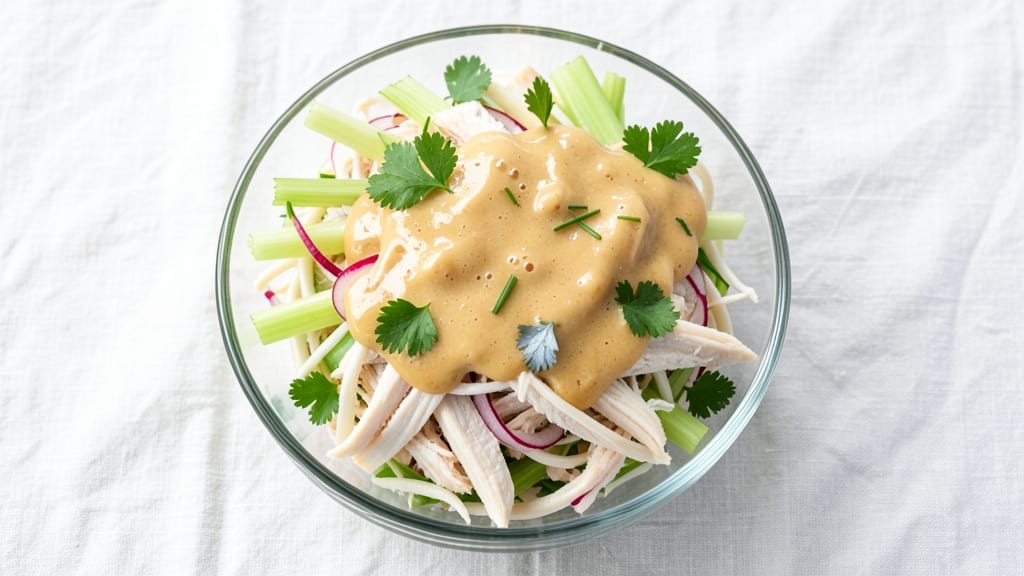
Atwater's chicken salad recipe delivers that perfect balance of creamy, crunchy, and herby flavors that makes it a Southern classic. The secret lies in tender, poached chicken mixed with finely chopped celery, crisp herbs, and a tangy citrus-mayo dressing that keeps it fresh for days.
This isn't just a side dish—it's a meal that transforms simple ingredients into something elegant and satisfying.
The traditional method starts with poaching chicken breasts for tender, juicy pieces that shred beautifully. Then comes the magic: combining them with celery, red onion, and fresh herbs like parsley and chives, all bound together with a creamy dressing that's lighter than most recipes but still rich and flavorful.
The citrus twist—usually from lemon juice—brightens every bite and keeps the salad from feeling too heavy.
What you'll end up with is a chicken salad that's creamy yet not greasy, crunchy from the celery and herbs, and packed with that signature Southern flavor. It's the kind of dish that tastes even better the next day, making it perfect for meal prep or hosting.
The texture is what sets this apart—tender chicken, crisp vegetables, and a dressing that coats every ingredient without overpowering.
Serve it on its own with crackers, pile it high on sandwiches, or use it as a filling for wraps. The possibilities are endless, but the foundation remains the same: tender chicken, fresh herbs, and that perfect creamy-crunchy balance.
Here's how to make it the traditional way, with a few modern twists for flexibility.
Ingredients for atwater's chicken salad
Tender poached chicken meets celery, herbs, and citrus for that iconic Southern crunch.
| Ingredient | Amount | Notes |
|---|---|---|
| Boneless, Skinless Chicken Breast 🍗 | 2 lb | Poached for tenderness |
| Mayonnaise 🥫 | 1 cup | High-quality, full-fat preferred |
| Fresh Celery Stalks 🧅 | 2 cups | Finely chopped, leafy parts included |
| Red Onion 🧅 | ½ cup | Finely diced, white and light green parts |
| Fresh Parsley 🌿 | ¼ cup | Finely chopped, stems removed |
| Fresh Chives 🌿 | ¼ cup | Finely chopped, including green parts |
| Lemon Juice 🍋 | 2 tbsp | Freshly squeezed, seeds removed |
| Salt 🧂 | 1 ½ tsp | Kosher or sea salt, adjust to taste |
| Ground Black Pepper 🌶️ | ½ tsp | Freshly ground for best flavor |
| Garlic Cloves 🧄 | 2 cloves | Minced, for poaching liquid |
| Vegetable Broth 💧 | 1 cup | Low-sodium preferred for poaching |
| Bay Leaves 🍃 | 2 whole | For poaching flavor infusion |
The chicken is the star—boneless, skinless breasts poach perfectly in broth, garlic, and bay leaves. Trader Joe's or Whole Foods carry the best quality, or grab whatever's freshest at your local butcher. Poach them just until they're barely done (145°F internal temp)—they'll finish cooking in the salad. For extra tenderness, slice against the grain once cooled. The celery? Crunchy, fresh stalks are non-negotiable—skip the pre-chopped kind, it gets soggy fast. Same goes for the red onion: white and light green parts only, finely diced so it melts into the mix without overpowering.
No fresh herbs? Dried parsley or chives at half the amount work in a pinch, but honestly, they're worth hunting down. The mayo matters too—Duke's or Hellmann's are my go-tos, but any full-fat brand keeps it creamy. Short on lemon juice? Lime juice or vinegar adds brightness, though lemon's the classic. The poaching liquid? Low-sodium broth keeps the flavor balanced—no need for salt here. And if you're feeling fancy, add a splash of dijon mustard to the dressing for extra depth.
This salad tastes even better the next day—keep it covered in the fridge for up to 4 days. The herbs stay brightest if you add them just before serving, but the rest holds up beautifully. For meal prep, portion into jars with the dressing on top to keep everything fresh. Freezes for 2 months if you're really planning ahead, though texture changes slightly. And if you make extra? Stuff it into croissants or serve with crispy crackers—trust me, you will.
Why You'll Love This Recipe
- No-Fuss Prep: I swear by this recipe because it’s the kind of meal that doesn’t demand perfection—just chop the celery into bite-sized pieces, dice the onion (no need to cry over it), and shred the chicken after a quick boil. The parsley gets tossed in last for that fresh pop, and honestly? You can’t mess it up.
- Creamy Crunch Magic: That perfect balance of mayo and celery? It’s what makes this salad ridiculously good. The red onion adds a sharp bite, but the parsley keeps it bright and clean—no heavy, greasy aftertaste here. It’s the kind of flavor that sticks with you long after you’ve finished.
- Lunchbox Legend: Between us, this is my go-to for packed lunches or quick sandwiches. The chicken stays moist (no dry, sad bites here), and the celery keeps it from getting soggy. I’ll often double the batch—one for today, one for tomorrow—because it holds up like a champ.
- Budget-Friendly Staple: Chicken breast is affordable, and the rest of the ingredients? Pantry basics. No fancy shortcuts needed. I’ve made this for potlucks, last-minute dinner guests, and even as a cheap protein boost in wraps—it’s my secret weapon for stretching meals without breaking the bank.
Step-by-step instructions for Atwater's chicken salad recipe
Here's how to make this legendary celery-herb chicken salad with perfectly poached chicken and bright citrus notes.
Poach the Chicken for Maximum Tenderness
In a medium saucepan, combine the 1 cup vegetable broth, 2 whole bay leaves, and 2 cloves minced garlic. Bring to a gentle simmer over medium heat—you should see small bubbles but no vigorous boiling. This controlled simmer ensures the chicken stays moist.
Add the 2 lb boneless, skinless chicken breast and poach for 12-15 minutes until the internal temperature reaches 165°F and the meat is fork-tender. You'll know it's done when the edges pull away cleanly from the pan and the center is no longer pink. Remove the chicken and let it cool completely before shredding—this prevents a watery salad later.
Shred and Season the Chicken
Once cooled, shred the chicken using two forks or your hands into ¼-inch thick pieces. Transfer to a large mixing bowl and add 1.5 tsp salt and 0.5 tsp freshly ground black pepper. The salt should be distributed evenly—this is your flavor foundation. Give it a quick mix to distribute the seasoning before adding other ingredients.
Here's the thing—don't skip the cooling step. Warm chicken releases moisture that turns your creamy salad into a soggy mess. I always let mine sit for 10 minutes before proceeding, even if it feels like waiting forever.
Prepare the Celery-Onion Base
In a food processor, pulse the 2 cups fresh celery stalks (including leafy parts) and 0.5 cup finely diced red onion until finely chopped but not puréed. You want texture here—just small, even pieces that will distribute throughout the salad. Transfer this mixture to your mixing bowl with the chicken.
Add the 2 tbsp freshly squeezed lemon juice and mix gently. The lemon brightens everything while cutting through the richness of the mayonnaise. I like to taste at this stage—you should get a fresh, slightly tangy flavor with no bitterness from the onion.
Combine with Herbs and Mayonnaise
In a small bowl, whisk together the 1 cup mayonnaise, 0.25 cup finely chopped fresh parsley, and 0.25 cup finely chopped fresh chives. Fold this mixture into the chicken and celery combination, mixing gently but thoroughly. You're looking for an even distribution where every bite has that creamy, herby goodness.
This is where the magic happens—don't overmix. Just combine until all ingredients are evenly incorporated. The herbs should be visible throughout, adding both color and freshness to each spoonful. Taste again and adjust seasoning if needed—sometimes you need a pinch more salt to balance the lemon.
Chill and Serve for Perfect Texture
Cover the bowl and refrigerate for at least 1 hour before serving. This chilling time lets the flavors meld completely and gives you that perfect creamy texture without being too rich. I like to make it the night before—it tastes even better after the flavors have time to develop.
Serve on crusty bread, in lettuce cups, or with crackers. The salad should be thick but still spreadable, with bright herbs visible throughout. Each bite should deliver that perfect balance of creamy mayonnaise, fresh herbs, and tender chicken—just like Atwater's original recipe intended.
Pro Tips For Making Atwater'S Chicken Salad
- COOK CHICKEN TO 165°F: I learned this the hard way—overcooked chicken turns into rubber in salad. Use a meat thermometer and pull it just before it hits 165°F, then let it rest 5 minutes before shredding. The residual heat finishes the job without drying it out.
- SWEAT THE ONION FIRST: Raw onion makes this salad taste like a science experiment. Finely dice it and cook in a dry pan for 3 minutes until translucent—just enough to mellow the bite. Drain and cool before mixing; the residual heat won’t curdle your mayo.
- CHOP CELERY SMALLER THAN YOU THINK: Big celery chunks scream "amateur hour." Pulse them in a food processor for 2 seconds, then hand-chop the remaining bits—aim for rice-sized pieces. This distributes flavor evenly and prevents texture surprises when you take a bite.
- MIX MAYO IN STAGES: Dumping all the mayo at once risks a greasy disaster. Start with half, then gradually fold in the rest while adding other ingredients. The chicken’s moisture will help emulsify it naturally—no need for extra eggs or mustard unless you’re craving a heavier texture.
Storing and reheating this recipe
Fridge Storage Secrets
Store your Atwater's chicken salad in an airtight container with a tight-fitting lid to preserve freshness. I use glass Pyrex containers because they keep the salad crisp longer than plastic. Let it cool completely before refrigerating—this prevents condensation that makes the celery soggy.
The salad stays fresh for up to 4 days in the fridge, with flavors actually deepening overnight. 🥫
Freezer-Friendly Tips
For longer storage, portion the salad into freezer-safe containers or heavy-duty ziplock bags, leaving ½-inch headspace for expansion. Freeze for up to 2 months—the texture will be slightly softer after thawing, but the flavor remains intact.
To reheat, transfer to the fridge overnight to thaw gradually. Never microwave directly from frozen, as this creates uneven heating. ❄️
Reheating Like a Pro
For the best texture, reheat in a microwave-safe bowl on medium power in 30-second intervals, stirring between each interval. Add 1-2 teaspoons of water or lemon juice if it looks dry.
Alternatively, warm gently in a small saucepan over low heat with ¼ cup broth, stirring constantly until reaching 165°F. This method keeps the celery crisp and the herbs vibrant. 🔥
Reviving Day-Old Salad
If your salad loses some crunch after a day or two, sprinkle with 1 teaspoon of fresh lemon juice and 1 tablespoon of mayonnaise, then mix gently. The acidity perks up the flavors while the mayo restores creaminess.
For extra crunch, add 1 tablespoon of finely chopped celery or diced red onion just before serving. This trick works wonders for restoring texture without sacrificing flavor. ✨
Portioning for Meal Prep
Divide the salad into single-serving containers with a layer of dressing on top to prevent drying. Store herbs separately if possible—add them fresh just before eating to maintain their bright flavor.
For sandwiches, spread the salad on bread and wrap tightly in parchment paper before refrigerating. This keeps everything fresh for up to 3 days without sogginess. 📅
Serving After Thawing
If you've frozen the salad, thaw it in the fridge overnight before serving. The texture will be slightly softer, but you can restore some crunch by adding 1 tablespoon of finely chopped celery or toasted breadcrumbs on top.
Serve with crisp lettuce cups or warm dinner rolls to balance the creamy texture. The salad's flavors remain rich and satisfying, just like fresh. 💫
Nutrition facts
Frequently asked questions about Atwater's chicken salad
Can I use rotisserie chicken instead of poaching?
Yes! Rotisserie chicken works perfectly if you shred it into ¼-inch pieces and remove any excess skin or seasoning. Just make sure it's fully cooled before mixing to avoid a watery salad. The flavor will be slightly different but still delicious, especially if you use a plain, unseasoned rotisserie chicken.
How do I keep the celery from getting soggy?
Prevent soggy celery by chopping it just before adding to the salad and storing it in an airtight container. For extra crunch, add the celery fresh when serving or sprinkle with 1 teaspoon of lemon juice to revive it. Also, avoid overmixing the salad—gentle folds preserve texture better than vigorous stirring.
What’s the best way to make this recipe vegan?
Swap the chicken for 1 cup cooked chickpeas or tofu, use vegan mayo, and add 1 tablespoon of nutritional yeast for a cheesy flavor. Keep the celery, herbs, and lemon juice the same. The texture will be slightly different but still creamy and satisfying. For extra protein, add ½ cup cooked quinoa or hearts of palm.
Why does my chicken salad taste bland?
Bland flavor usually means the chicken needs more seasoning or the lemon isn’t bright enough. Add ½ teaspoon extra salt and 1 extra tablespoon lemon juice, then taste again. If the mayo is too rich, balance it with 1 teaspoon of Dijon mustard or a pinch of smoked paprika. Fresh herbs also make a huge difference—don’t skip them!
Can I make this ahead of time for a party?
This salad tastes even better after 24 hours in the fridge. Store it in an airtight container and keep the herbs separate until serving. For large gatherings, prep the dressing and chicken separately, then combine just before serving to maintain freshness. Serve with crackers, bread, or lettuce cups for easy party bites.