
Sauces & Condiments
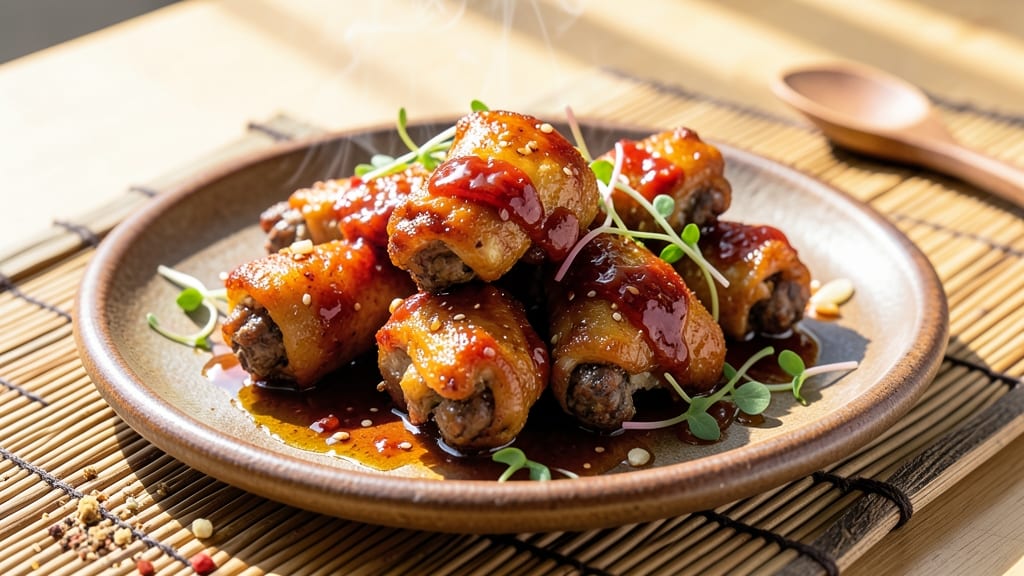
This Asian chicken wing sauce recipe transforms ordinary wings into a restaurant-quality experience with its perfect balance of sweet, spicy, and umami-rich flavors. 🔥 The secret lies in simmering a blend of soy sauce, honey, garlic, ginger, and chili until it reduces into a glossy, sticky sauce that clings beautifully to every bite.
I developed this recipe after years of experimenting with Asian-inspired sauces, and it consistently delivers that satisfying sweet-chili-sesame flavor profile that keeps people coming back for more.
The sauce starts with a simple base of soy sauce and honey, which creates the foundational sweetness, while fresh garlic and ginger add aromatic depth. A touch of chili paste brings the heat, and toasted sesame oil elevates the sauce to restaurant-quality richness.
The key technique is reducing the sauce on low heat, allowing the flavors to meld and intensify without burning. This process also creates a glossy finish that makes the wings look as good as they taste.
What you'll end up with is a versatile sauce that's perfect for tossing with wings, drizzling over noodles, or even using as a marinade for tofu or meats. The sauce keeps well in the refrigerator for up to a week, making it ideal for meal prep or batch cooking.
Whether you're hosting a game day gathering or just craving a flavorful sauce to elevate your favorite protein, this recipe delivers consistent, professional results every time.
Adjust the spice level to your preference by adding more or less chili paste, and feel free to experiment with additional ingredients like rice vinegar for brightness or a splash of coconut milk for creaminess.
The possibilities are endless, but the foundation remains the same—simple, balanced, and deeply flavorful. Let's get started on creating this sauce that will take your dishes to the next level.
Ingredients for asian chicken wing sauce
Sweet, spicy, and umami-packed—just ten ingredients transform wings into restaurant-quality bites.
| Ingredient | Amount | Notes |
|---|---|---|
| Soy Sauce 🥢 | ½ cup | Light or dark variety preferred |
| Honey 🍯 | ⅓ cup | Wildflower or clover preferred |
| Red Chili Paste 🌶️ | 2 tbsp | Adjust for heat preference |
| Toasted Sesame Oil 🫒 | 1 tbsp | For authentic aroma |
| Garlic Cloves 🧄 | 4 cloves | Minced for even distribution |
| Fresh Ginger 🌿 | 1 tbsp | Grated, for zesty kick |
| Rice Vinegar 🍶 | 1 tbsp | For brightness (optional) |
| Sesame Seeds 🌰 | 1 tbsp | Toasted, for garnish |
| Salt 🧂 | ½ tsp | Kosher or sea salt |
| Black Pepper 🌶️ | ¼ tsp | Freshly ground preferred |
The soy sauce is your flavor foundation—light soy for brightness or dark soy for depth, but don't skimp. I grab Kikkoman for consistency, but any good brand works. Honey should be real honey (none of that corn syrup stuff), and Manuka adds a floral note if you're feeling fancy. Chili paste? Maesri or Thai Kitchen are my go-tos, but if you're using fresh chili, blend it with a splash of water to make a paste. Fresh ginger and garlic? Buy them pre-peeled if you're short on time—saves minutes and still delivers flavor. Toast your sesame oil in a dry pan for 30 seconds before using—that nutty aroma makes all the difference.
No soy sauce? Coconut aminos work in a pinch, though the flavor won't be identical. Short on honey? Maple syrup is a decent swap, but add a pinch of cream of tartar to mimic honey's tang. No chili paste? Fresh red chili flakes (adjust to taste) or a dash of sriracha (reduce liquid by half). The rice vinegar is optional but brightens the whole sauce—sub with lemon juice if needed. For extra umami, a splash of fish sauce (if not vegan) or soy sauce reduction (simmer 2 tbsp soy sauce until syrupy) elevates it further. And if you're feeling experimental, a dash of msg (just a pinch!) adds restaurant-level depth.
This sauce keeps 1 week in the fridge, sealed tightly with a thin layer of oil on top to preserve freshness. For longer storage, freeze in ice cube trays—perfect for single-use portions. Reheat gently in a saucepan or microwave (30-second bursts). Pro tip: Double the batch—it disappears fast during game day or when wings are on the menu. The sauce thickens as it cools, so thin with a splash of water if needed. And trust me, the leftovers taste even better—flavors meld overnight like magic.
Why You'll Love This Recipe
- Five-Ingredient Magic: I swear by this sauce—just toss those five pantry staples (soy, honey, chili paste, sesame oil, garlic) into a bowl and stir. No measuring cups, no fancy techniques, just boom—flavor in minutes. Honestly, I’ve made it while waiting for my coffee to brew.
- Sweet-Spicy Balance: That honey and chili paste combo? It’s the kind of contrast that makes you reach for seconds. The toasted sesame oil ties it all together with this nutty, aromatic punch—crispy wings? Even better. (Yes, even on a Tuesday night.)
- Game for Any Occasion: Drizzle it over takeout, toss it with noodles, or use it as a marinade for tofu. It’s my go-to for lazy dinners, potlucks, or when I’m too tired to cook. Between us, it’s the only sauce I keep in my fridge at all times.
- Leftovers That Don’t Suck: This sauce actually improves the next day—thicker, more concentrated, and just as addictive. I double the batch, store it in the fridge, and use it all week. Not the prettiest, but the taste makes up for it every time.
Step-by-step instructions for sweet-chili sesame gloss
This sauce comes together in minutes but packs layers of flavor—let's make it.
🍳 Step 1: Bloom the Aromatics in Toasted Sesame Oil
Heat a small saucepan over medium-low heat and add the 1 tablespoon toasted sesame oil. Let it warm for 30 seconds until fragrant—you'll smell that nutty, toasty aroma that's the sauce's soul. This is where the magic starts, so don't rush it.
Add the 4 cloves minced garlic and 1 tablespoon grated fresh ginger. Cook for 1-2 minutes until the garlic turns golden and the raw ginger scent disappears. Watch closely—ginger burns faster than garlic. If it starts to darken too much, reduce heat immediately. This aromatic base will carry through the entire sauce, so get it right here.
🍳 Step 2: Build the Sauce Foundation
Pour in the 0.5 cup soy sauce and 0.33 cup honey, stirring constantly to dissolve the honey completely. The mixture will bubble gently—this is normal. Let it simmer for 3-4 minutes until slightly thickened and reduced by about 20%. You're looking for a glossy consistency that coats the back of a spoon.
Here's where it gets interesting: add the 2 tablespoons red chili paste and 1 tablespoon rice vinegar. Stir well and simmer for another 2 minutes. The vinegar brightens the sauce while the chili paste adds that signature heat. Taste it now—you should feel the balance of sweet, tangy, and spicy. If it needs more heat, add a pinch more chili paste. If it needs more brightness, add a splash more vinegar.
🍳 Step 3: Finish with Umami and Texture
Remove the saucepan from heat and let it cool slightly for 2 minutes. This prevents the sesame seeds from burning when you add them. Stir in the 1 tablespoon toasted sesame seeds, the 0.5 teaspoon salt, and 0.25 teaspoon black pepper. The sesame seeds add crunch and visual appeal, while the salt and pepper round out all the flavors.
For that perfect glossy finish, return the sauce to low heat and simmer gently for 1-2 minutes to let all the flavors meld. The sauce should coat a spoon smoothly with just a hint of thickness. If it's too thick, add 1 teaspoon water at a time until you reach the right consistency—it should be pourable but still cling to the wings.
Pro Tips For Making Asian Chicken Wing Sauce
- Simmer Garlic Low: I learned this the hard way—crushing garlic cloves and tossing them straight into the sauce makes it bitter. Instead, mince them finely (or use a press) and cook them in the sesame oil over low heat for 2-3 minutes until fragrant but not browned. This keeps the flavor bright and stops the sauce from turning acrid.
- Balance Heat First: The sauce will taste uneven if you dump in all the red chili paste at once. Mix half the soy sauce and honey first, then add the chili paste in small batches while tasting. Adjust the ratio as you go—sometimes you need 1 tbsp chili paste, other times 2. The goal is a slow build of heat, not a sudden burn.
- Don’t Skip the Oil: Toasted sesame oil is the flavor anchor here, but don’t just drizzle it in at the end. Heat it in the pan first for 30 seconds until it shimmers—this deepens its nutty aroma. Then add garlic and let it bloom before introducing the wet ingredients. Skimping here means a flat, one-dimensional sauce.
- Thin with Water: The sauce will thicken as it cools, but if it’s too cloying while warm, resist the urge to add more honey. Instead, use hot water (1 tsp at a time) to loosen it while keeping the heat. This prevents the honey from crystallizing and keeps the texture silky, not gluey. (Yes, even if you’re impatient like me.)
Perfect pairings for this dish
Wing Pairings
This sauce transforms baked or fried chicken wings into a crowd-pleaser, but it also elevates other proteins. Toss it with grilled shrimp skewers for a sweet-spicy seafood dish, or glaze tofu cubes for a vegan option.
I love using it as a dipping sauce for spring rolls or edamame during appetizer spreads. 🍗
Noodle & Rice Dishes
Drizzle this sauce over ramen noodles or lo mein for instant flavor—just toss cooked noodles with a ¼ cup sauce and a splash of sesame oil. For rice dishes, mix ½ cup sauce with 1 cup cooked jasmine rice and top with soft-boiled eggs for a Thai-inspired bowl.
The sticky glaze clings beautifully to every grain.
Dipping Sauces
Serve this sauce in small bowls as a dipping sauce for fried rice, potstickers, or vegetable spring rolls. I like to add a dash of sriracha for extra heat or a squeeze of lime for brightness.
For a creamy twist, mix 1 tablespoon coconut milk into the sauce before serving. The contrast of textures makes it irresistible. 🥢
Marinade Magic
Use this sauce as a marinade for chicken thighs or pork belly—coat the protein and let it sit for 30 minutes before cooking. The sweetness caramelizes beautifully during grilling or roasting, creating a sticky, flavorful crust.
I also use it as a glaze for grilled corn or sweet potatoes in the summer.
Breakfast Boost
Don’t limit this sauce to savory mains—it’s fantastic for breakfast! Drizzle it over scrambled eggs or pancakes for a sweet-spicy twist. Toss it with fried rice for a brunch bowl, or use it as a glaze for bacon-wrapped dates stuffed with almonds.
The umami depth pairs surprisingly well with breakfast flavors. 🍳
Drink Pairings
Balance the sauce’s sweet-spicy notes with cold Asian lagers like Asahi or Sapporo. For a non-alcoholic option, try yuzu soda or sparkling green tea. The effervescence cuts through the richness, while the citrus notes complement the ginger and garlic in the sauce.
A light-bodied white wine like Pinot Grigio also works beautifully. 🍺
Nutrition facts
Frequently asked questions
Can I make this sauce without honey?
Swap the honey for maple syrup or agave nectar in a 1:1 ratio. For a deeper caramelization, try brown sugar (reduce by 10% since it's denser). The sauce will have a slightly different texture but still deliver that signature sweetness. If you're avoiding sugar entirely, a splash of rice vinegar or miso paste can add umami depth to balance the soy sauce.
How do I adjust the spice level?
Start with the 2 tablespoons chili paste as written for a medium heat. For milder sauce, reduce to 1 tablespoon and add ½ teaspoon sugar to balance. For extra heat, increase to 3 tablespoons or add ½ teaspoon cayenne pepper. Pro tip: Toast the chili paste in the pan for 30 seconds before adding other ingredients to deepen the flavor without extra heat.
Can I make this sauce ahead of time?
Yes! This sauce actually tastes better after 24 hours as the flavors meld. Store in an airtight container in the fridge for up to 1 week. For longer storage, freeze in ice cube trays—perfect for single-use portions. Thaw overnight in the fridge and reheat gently on low heat, stirring occasionally. The sauce will thicken slightly when chilled, so thin with 1 teaspoon water per ¼ cup sauce if needed.
What's the best way to use leftover sauce?
Leftover sauce is incredibly versatile! Use it as a glaze for proteins (chicken, pork, or tofu), a dipping sauce for spring rolls or fries, or a marinade for grilled vegetables. For extra richness, stir in 1 tablespoon coconut milk before serving. It also makes an amazing pasta sauce—toss with cooked noodles and top with sesame seeds. The sauce keeps well for 3-4 days in the fridge, so double the batch!
Can I substitute soy sauce with something else?
For a gluten-free option, use coconut aminos (1:1 ratio), though the flavor will be slightly lighter. For a deeper umami punch, try fish sauce (reduce by 20% since it's more concentrated). If you're avoiding soy entirely, a mix of miso paste and water** (1 tbsp miso + ¼ cup water) works well. Always taste and adjust other seasonings accordingly—some substitutes can alter the balance.