
Sauces & Condiments
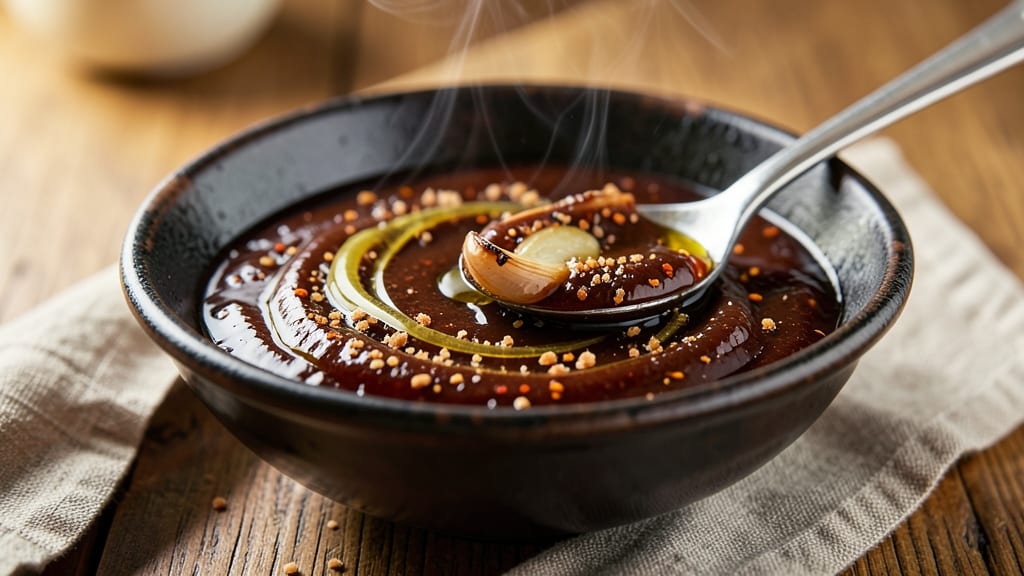
Asad's hot chicken sauce delivers the smoky, cayenne-kissed heat that makes Nashville-style wings legendary—without the fuss of traditional fermentation. This recipe balances bold spice with tangy depth using simple pantry staples, simmered into a velvety sauce that clings to every bite.
The secret lies in slow reduction, where garlic, vinegar, and cayenne meld into a complex, slightly sticky condiment that transforms ordinary dishes into standout meals.
What sets this sauce apart is its versatility—use it as a marinade for chicken, a dipping sauce for fries, or a finishing drizzle over tacos, all while controlling the heat level to your preference.
The smoky notes come from a touch of liquid smoke, while the vinegar cuts through the cayenne’s intensity, creating a sauce that’s addictive, not overwhelming. No special equipment is needed beyond a saucepan and blender, making it accessible for home cooks.
The result is a rich, aromatic sauce with layers of heat that build gradually—starting with a warm tingle before delivering a lingering burn. Each batch develops deeper flavor as it sits, rewarding you with a condiment that’s restaurant-quality but homemade.
Store it in the fridge for up to 2 weeks, or freeze for longer shelf life, ensuring you always have bold flavor at your fingertips.
Perfect for spicy chicken wings, fried pickles, or even drizzled over pizza, this sauce elevates any dish with its smoky-sweet-spicy profile. Whether you're a heat seeker or a casual spice lover, the adjustable cayenne level means you’re in control. Let’s make it—your taste buds will thank you.
Ingredients for asad's hot chicken sauce
Nine simple ingredients transform into Nashville-style heat with smoky depth and tangy complexity.
| Ingredient | Amount | Notes |
|---|---|---|
| Cayenne Pepper 🌶️ | 1 tbsp | Adjust for heat preference |
| Liquid Smoke 🔥 | 1 tbsp | For authentic smoky depth |
| Apple Cider Vinegar 🍏 | ½ cup | For tangy brightness |
| Garlic Cloves 🧄 | 6 cloves | Freshly minced for intensity |
| Extra-Virgin Olive Oil 🫒 | ½ cup | High-quality for richness |
| Brown Sugar 🍬 | ¼ cup | Lightly packed for sweetness |
| Smoked Paprika 🌶️ | 1 tbsp | For extra smokiness |
| Salt 🧂 | 1 ½ tsp | Diamond Crystal preferred |
| Black Pepper 🌶️ | ½ tsp | Freshly cracked for bite |
| Water 💧 | ½ cup | For thinning consistency |
The cayenne is your heat control—start with 1 tbsp and adjust to taste. Penzeys or any high-quality brand works, but avoid the cheap grocery store stuff (it’s often cayenne mixed with paprika). Liquid smoke is non-negotiable for that authentic smoky flavor—Traeger or Kirkland are reliable brands. Garlic should be fresh and minced just before simmering to preserve its punch. The apple cider vinegar adds the tang that balances the heat, so don’t skip it—Bragg or Heinz are solid choices. Brown sugar caramelizes during reduction, adding depth, but don’t pack it too tightly or you’ll end up with clumps.
No liquid smoke? Smoked paprika plus a splash of soy sauce gets you close, though the flavor won’t be identical. Short on vinegar? Lemon juice works in a pinch, but it’ll be slightly less tangy. The olive oil matters here—use something fruity and high-quality (like California Olive Ranch), not that cheap cooking oil. For a sweeter sauce, bump the brown sugar to 0.375 cup, but don’t go overboard or it’ll mask the cayenne’s heat. The water is just for thinning—add it gradually to reach your desired consistency. Pro tip: if you’re making this for a crowd, double the batch and freeze half for later.
This sauce keeps for 2 weeks in the fridge, but the flavor actually improves over time as the spices meld. For longer storage, freeze in ice cube trays—just thaw and stir before using. The sauce thickens as it cools, so add a splash of water if it gets too stiff. Store it in a glass jar with a tight seal to preserve the smoky aroma. If you make a big batch, portion it into smaller containers so you always have ready-to-use sauce on hand. Trust me, you’ll want to keep this on your shelf—it disappears fast.
Why You'll Love This Recipe
- No-Fuss Blend: Honestly, this sauce comes together in one bowl—no simmering, no fussing. Just toss the cayenne, garlic, vinegar, and a splash of liquid smoke with olive oil, then pulse. Twenty seconds, tops.
- Smoky Heat Magic: That liquid smoke? It’s the secret weapon—deep, campfire-like flavor that clings to everything. The cayenne brings the fire, but the vinegar balances it so it’s addictive, not just painful.
- Game for Any Meal: Drizzle it on wings, toss with fries, or slather it on sandwiches. I’ve even used it to wake up a sad salad. It’s the kind of sauce that makes you want to eat everything in sight.
- Budget Stretch: A tiny jar of cayenne and a bottle of vinegar go a long way—this recipe costs pennies per serving. Plus, it keeps for weeks in the fridge, so I’m always covered without breaking the bank.
Step-by-step instructions for asad's hot chicken sauce
This sauce builds heat gradually while developing deep smoky layers—here's exactly how to balance it.
Bloom the Cayenne and Spices in Olive Oil
Heat the 0.5 cup extra-virgin olive oil in a medium saucepan over medium-low heat. Add the 1 tbsp cayenne pepper and 1 tbsp smoked paprika, stirring constantly for 1 minute until the spices release their aromatic oils and the mixture smells deeply smoky. This step prevents raw spice flavor—you'll taste the difference if you skip it.
Watch for the spices to darken slightly at the edges. If you notice any burning aroma, reduce the heat immediately and keep stirring. The oil should remain clear with just a hint of color, not darkened or smoky. This is the foundation that carries all the other flavors.
Add Garlic and Brown Sugar for Depth
Push the spices to one side of the pan and add the 6 minced garlic cloves. Stir for 30 seconds until fragrant but not browned—garlic burns quickly and turns bitter. Return everything to the center and add the 0.25 cup brown sugar, stirring until fully dissolved. The sugar helps balance the heat while adding subtle caramel notes that complement the smokiness.
Let the mixture cook for another 1 minute until the sugar begins to develop a faint golden hue. This is where the sauce starts building complexity—don't rush this step. The sugar should be completely incorporated without any graininess remaining.
Deglaze with Vinegar and Water
Pour in the 0.5 cup apple cider vinegar and 0.5 cup water, scraping up any browned bits from the bottom of the pan with a wooden spoon. These bits pack intense flavor that would otherwise go to waste. Bring the mixture to a gentle simmer over medium heat, then reduce the heat to low and let it cook uncovered for 8-10 minutes.
You're looking for the sauce to reduce by about 25%—it should thicken slightly but remain pourable. Stir occasionally, especially toward the end when it starts to darken. The vinegar adds bright acidity that cuts through the richness of the oil and balances the heat.
Finish with Liquid Smoke and Seasoning
Remove the pan from heat and stir in the 1 tbsp liquid smoke, 1.5 tsp salt, and 0.5 tsp black pepper. Let the sauce sit off the heat for 5 minutes—this resting period allows all the flavors to meld together. Taste and adjust the seasoning: add more cayenne for heat, salt for depth, or a splash of vinegar for brightness if needed.
The sauce should be thick enough to coat the back of a spoon but still flow smoothly. If it's too thick, whisk in 1-2 tablespoons of hot water to reach your desired consistency. For best results, use the sauce immediately on hot chicken or store it in an airtight container in the refrigerator for up to 2 weeks.
Pro Tips For Making Asad'S Hot Chicken Sauce
- Toast Your Garlic: Hit the garlic cloves with a knife first to expose the papery skin, then toast them in the olive oil until golden—about 30 seconds per side. I learned this the hard way after burning batches where the garlic just dissolved into the sauce instead of adding depth. The extra effort makes a real difference in flavor.
- Simmer, Don’t Boil: Keep the sauce at a gentle simmer (tiny bubbles, occasional swirls) after adding vinegar and liquid smoke—boiling can turn it bitter. After burning three batches, I finally figured out that patience here means a smoother, more balanced sauce.
- Add Cayenne Gradually: Start with half the cayenne, taste, then adjust—you can always add more, but you can’t take it out. I was skeptical until I tried it; the sauce still packs heat but with better control over the final spice level.
- Use Aged Vinegar: Grab apple cider vinegar that’s been aging in barrels (or at least 6 months old) if you can—it’s tangier and less harsh. This isn’t the prettiest method, but it works: the sauce will taste richer and more complex without needing extra sugar to balance it.
Make-ahead tips for this asad's hot chicken sauce
Batch Prep Essentials
Double or triple the recipe when you make this sauce—it disappears fast! I always prep 2 cups at a time and store it in 8-ounce glass jars with tight-sealing lids.
Use amber glass if you have it, as it protects the sauce from light degradation over time. Label the jars with the date so you can track freshness. 💛
Freezer-Friendly Packaging
For long-term storage, freeze the sauce in ice cube trays—each cube equals about 1 tbsp, perfect for drizzling. Once frozen, transfer the cubes to a ziplock freezer bag and flatten to save space.
Thaw overnight in the fridge before using, or toss a cube directly into hot dishes like soups or stews. This method keeps the sauce vibrant for up to 3 months without losing its smoky punch.
Flavor Development Timeline
The sauce tastes best after 24-48 hours of resting in the fridge—this lets the cayenne mellow slightly and the smoky notes deepen. I always make a fresh batch on Sunday so it’s ready for game day wings or fried chicken.
If you’re in a hurry, let it sit for at least 4 hours before using; the flavors will still meld enough to be delicious.
Portion Control Hacks
Divide the sauce into smaller containers (like 4-ounce jars) so you always have ready-to-use portions. This prevents waste and makes it easy to grab just what you need for a quick meal. I keep one jar in the fridge for immediate use and another in the freezer for backup.
Pro tip: Use a pipette for precise drizzling over dishes—it’s a game-changer for controlling heat levels. ✨
Reheating Without Ruining
Gently reheat the sauce on the stovetop over low heat for 2-3 minutes, stirring constantly to prevent scorching. Never microwave it—this can make the oil separate and dull the smoky flavor.
If the sauce thickens after reheating, whisk in 1 tsp water to restore its silky consistency. Always taste and adjust seasoning before serving.
Long-Term Storage Secrets
For sauces older than 2 weeks, extend their life by adding 1 tsp apple cider vinegar per ½ cup sauce before reheating. This refreshes the tang and balances any diminished heat.
Store the sauce in the coldest part of your fridge (usually the back of the bottom shelf) to maximize shelf life. If it develops an off smell, toss it—better safe than sorry with homemade sauces. 💡
Nutrition facts
Frequently asked questions
How do I adjust the heat level in this sauce?
The cayenne is your heat control—start with 1 tbsp for medium heat, then reduce to ½ tsp for mild or increase to 2 tbsp for extra spice. For a milder sauce, replace half the cayenne with smoked paprika. Always taste as you go and adjust gradually to avoid overpowering the smoky-sweet balance.
Can I make this sauce without liquid smoke?
Yes! For a smoky flavor, substitute 1 tbsp liquid smoke with 1 tbsp smoked paprika + ½ tsp soy sauce. The result won’t be identical, but it’ll still have depth. Alternatively, add ½ tsp smoked salt for a subtle smokiness. Just know the sauce will taste slightly less authentic without the liquid smoke.
What’s the best way to use this sauce?
This versatile sauce works as a marinade for chicken, wings, or pork, a dipping sauce for fries or veggies, or a finishing drizzle over tacos, pizza, or eggs. For marinating, mix ¼ cup sauce with 1 tbsp oil and let chicken sit for 30 minutes. For extra heat, toss cooked fries in warm sauce and broil for 2 minutes to crisp.
Why does my sauce separate after reheating?
This happens when the oil and liquid phases separate due to temperature changes. Fix it by whisking in 1 tsp apple cider vinegar or hot water to re-emulsify. To prevent separation, always reheat the sauce gently over low heat while stirring constantly. Never microwave it—this disrupts the sauce’s silky texture.
Can I add other ingredients for extra flavor?
For a fruity twist, stir in 1 tsp orange zest or 1 tbsp pineapple juice at the end. For umami depth, add ½ tsp fish sauce or 1 tsp Worcestershire sauce. Just balance any additions with extra vinegar or salt to maintain the sauce’s core flavors. Start small—you can always adjust!