
Sauces & Condiments
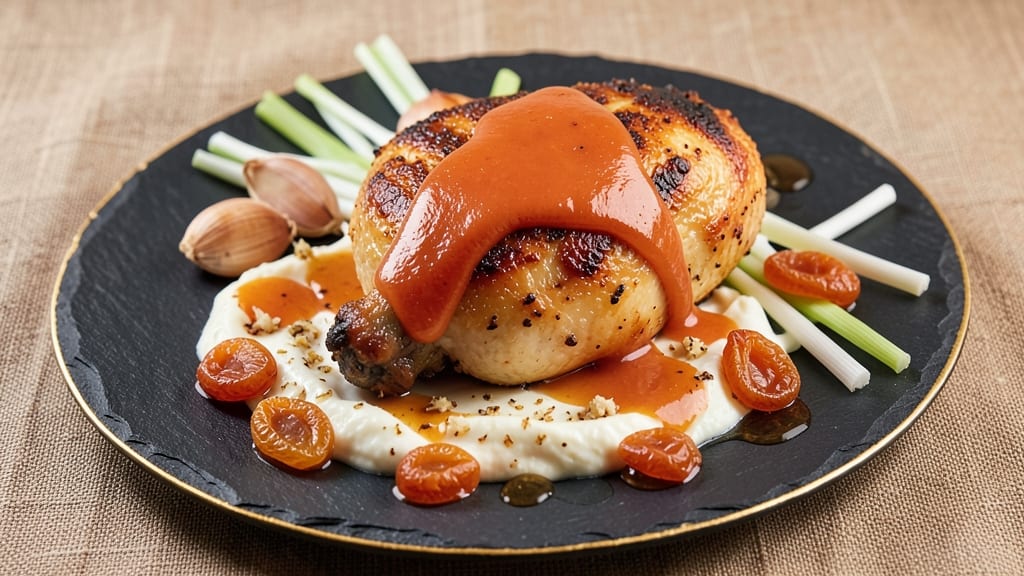
This apricot chicken sauce transforms ordinary chicken dishes into something extraordinary with its perfect balance of sweet, tart, and caramelized flavors. 🌟 The secret lies in simmering dried apricots with chicken broth, garlic, and a touch of ginger until the sauce reduces into a glossy, velvety glaze that clings beautifully to roasted or grilled chicken.
What makes this sauce truly special is its depth—caramelized from the natural sugars in the apricots, yet brightened with a splash of apple cider vinegar for that essential tang.
A pinch of cinnamon and star anise adds warmth, while a splash of heavy cream at the end creates a luxurious finish that makes every bite unforgettable.
The result is a sauce that's rich enough to stand on its own but versatile enough to elevate chicken thighs, breasts, or even a simple pan-seared cutlet.
It keeps well in the refrigerator for up to a week, so you can make a big batch and enjoy it throughout the week.
Perfect for weeknight dinners, holiday meals, or impressing guests, this sauce is the ideal way to add complexity and flavor to your chicken dishes without hours of effort. Let's get started on creating this restaurant-worthy glaze.
Ingredients for apricot chicken sauce
Sweet, tart, and velvety—this sauce glaze transforms simple chicken into restaurant-worthy magic.
| Ingredient | Amount | Notes |
|---|---|---|
| Dried Apricots 🍑 | ½ cup | Chopped into small pieces |
| Chicken Broth 💧 | 1 ½ cups | Low-sodium preferred |
| Garlic Cloves 🧄 | 4 cloves | Minced finely for depth |
| Fresh Ginger 🌿 | 1 tbsp | Grated, aromatic |
| Apple Cider Vinegar 🍎 | 2 tbsp | For tangy balance |
| Heavy Cream 🥛 | ¼ cup | Full-fat for richness |
| Ground Cinnamon 🌶️ | ½ tsp | Warmth enhancer |
| Ground Star Anise 🌿 | ¼ tsp | Licorice note, optional |
| Granulated Sugar 🍚 | 2 tbsp | Balances tartness |
| Olive Oil 🫒 | 1 tbsp | For sautéing garlic |
| Salt 🧂 | ½ tsp | Kosher or sea salt |
| Black Pepper 🌶️ | ¼ tsp | Freshly ground |
Dried apricots are the star here—look for plump, moist ones in the bulk section at Whole Foods or Trader Joe's (their organic ones are fantastic). The chicken broth should be low-sodium; Swanson or Pacific Foods are my go-tos. Fresh ginger is non-negotiable for that zesty kick—Asian markets often have the juiciest roots. If you're short on time, frozen ginger works too, just grate it while still frozen. The star anise? Penzeys sells it pre-ground, but whole pods are cheaper and more aromatic—just crush them lightly with a mortar and pestle.
No dried apricots? Dried plums or dates chopped small work in a pinch, though they’ll change the flavor slightly. Subbing apple cider vinegar? White vinegar or lemon juice both work, but add an extra teaspoon to compensate for the milder tang. Heavy cream too rich? Half-and-half or coconut milk keeps it lighter without sacrificing creaminess. The sugar can be swapped for maple syrup or honey (though honey isn’t vegan), but keep it at the same amount—this sauce needs that caramelized depth. For the garlic, jarred minced garlic is fine if you’re in a rush, but fresh is always better.
This sauce keeps beautifully—up to 1 week in the fridge, sealed tightly in a jar. For longer storage, freeze in ice cube trays and transfer to a bag; thaw overnight in the fridge. The flavors actually improve after a day or two as everything melds together. Double the batch and store half—it’s perfect for drizzling over roasted chicken, tossing with noodles, or even spooning over pancakes. Trust me, you’ll want leftovers.
Why You'll Love This Recipe
- Pantry Magic: I swear by this sauce when I forget to grocery shop—dried apricots and chicken broth turn into something rich and complex with zero extra ingredients. Just chop, simmer, and let the ginger and vinegar work their magic while you do other things.
- Sweet-Savory Balance: That first bite? The dried apricots caramelize into the broth, then the vinegar cuts through the richness while the garlic and ginger add warmth. It’s like a hug in sauce form—familiar but unexpected.
- Weeknight Hero: I make this when I’m too tired to plan but still want something impressive. Toss it over rice, noodles, or even toasted bread, and suddenly dinner feels intentional. (Yes, even on a Tuesday night.)
- Budget-Friendly Luxury: A handful of dried apricots and a few cloves of garlic stretch into enough sauce for four meals. Freeze the leftovers—when you reheat it, the flavors deepen even more. My wallet and taste buds thank me.
Step-by-step instructions for apricot chicken sauce
This sweet-tart glaze starts with caramelized aromatics and builds to velvety richness.
🍳 Step 1: Sauté Aromatics Until Fragrant
Heat the 1 tablespoon olive oil in a medium saucepan over medium heat. Add the 4 cloves minced garlic cloves and 1 tablespoon grated fresh ginger, stirring constantly for 1-2 minutes until the garlic turns golden and the ginger releases its bright aroma. Here's the thing—don't let them burn. You'll know it's ready when the mixture smells like a spice market and the garlic is just starting to turn golden around the edges.
I like to keep the heat at medium because high heat burns garlic in seconds. Once the aromatics are fragrant, add the 2 tablespoons apple cider vinegar and let it simmer for 30 seconds until the vinegar's sharpness mellows slightly. This step builds the sauce's foundation—bright, tangy, and aromatic.
🍳 Step 2: Caramelize Apricots and Add Broth
Add the 0.5 cup chopped dried apricots to the pan and cook for 3-4 minutes over medium heat, stirring frequently, until they soften and begin to caramelize. You'll see their edges turn slightly darker and their texture become plump. This is where the sauce gets its signature sweet-tart balance.
Pour in the 1.5 cups chicken broth and bring to a gentle simmer. Stir in the 2 tablespoons granulated sugar, 0.5 teaspoon ground cinnamon, and 0.25 teaspoon ground star anise. Let it simmer uncovered for 8-10 minutes until the liquid reduces by about one-third and the flavors meld. The sauce should coat the back of a spoon and smell like a warm autumn spice market.
🥘 Step 3: Finish with Cream and Season
Reduce the heat to low and stir in the 0.25 cup heavy cream. Simmer gently for 2-3 minutes until the sauce thickens slightly and becomes velvety. Here's where it gets fun—the cream adds richness while keeping the sauce smooth. If it starts to curdle, keep the heat low and stir constantly until it smooths out.
Season with the 0.5 teaspoon salt and 0.25 teaspoon black pepper. Taste and adjust—you might want a touch more sugar or vinegar depending on your dried apricots' sweetness. The sauce should balance sweet, tart, and savory notes perfectly. If it's too thick, add 1-2 tablespoons water to reach your desired consistency.
⏰ Step 4: Simmer to Perfect Consistency
Return the sauce to a gentle simmer and cook for another 5 minutes to let all the flavors meld completely. The sauce should coat a spoon but still be pourable. If you're using this with chicken, you can serve it immediately—it'll cling beautifully to the meat. For best results, let it cool slightly before serving to allow the flavors to settle.
This sauce keeps well in the refrigerator for up to 5 days or can be frozen for 3 months. It's perfect over grilled chicken, roasted chicken thighs, or even drizzled over chicken stir-fry. The caramelized depth and sweet-tart balance make it unforgettable.
Pro Tips For Making Apricot Chicken Sauce
- SOAK DRY APRICOTS OVERNIGHT: Dried apricots are stubborn—they won’t soften properly if you just toss them in boiling broth. I learned this the hard way after serving a sauce with chewy, unyielding fruit. Soak them in warm water for at least 8 hours (or overnight) first, then drain and chop. The texture becomes silky, and the flavor melts into the sauce like it’s supposed to.
- LOW AND SLOW FOR GINGER: Fresh ginger burns faster than you’d think, especially when simmering with garlic. Start with a medium-low heat, then drop it to a whisper once everything’s fragrant—just a few minutes until the raw bite softens. I used to rush this, and the sauce would taste bitter. Patience here keeps the ginger bright and aromatic.
- STRAIN THE BROTH FIRST: Store-bought chicken broth is often cloudy with bits that turn your sauce gritty. Strain it through a fine-mesh sieve before using—yes, it’s an extra step, but your sauce will look polished and taste cleaner. I skip this when I’m lazy, but the difference is noticeable, especially if you’re serving it over rice or noodles.
- ACIDIFY IN STAGES: Apple cider vinegar is potent, and dumping it all at once can make the sauce taste harsh. Add half the amount first, let it simmer for 5 minutes, then taste and adjust. The goal is balance—just enough tang to brighten the sweetness without overpowering the apricots. I was skeptical until I tried it; now I won’t make it any other way.
Perfect pairings for this recipe
Chicken Dish Pairings
This sauce is a game-changer for roasted chicken thighs—simply drizzle it over the meat in the last 10 minutes of roasting at 400°F so it caramelizes beautifully. The sweet-tart glaze pairs perfectly with herb butter-basted chicken, too.
I like to brush it on during the last 5 minutes of cooking for a glossy finish. 🍗
For grilled chicken breasts, use the sauce as a marinade (thinned with 1 tbsp water) for 2-4 hours before grilling, or serve it as a dipping sauce alongside.
The sauce also elevates chicken stir-fries—just toss it with sautéed veggies and chicken at the end for a quick, flavorful meal.
Side Dish Harmony
Serve with mashed potatoes or creamy polenta to soak up the sauce’s richness. The earthy flavors complement the sauce’s sweetness perfectly.
I also love pairing it with roasted Brussels sprouts—toss them with a pinch of salt and 1 tbsp olive oil, then roast at 425°F for 20 minutes until crispy. 🥔
A simple arugula salad with lemon vinaigrette cuts through the sauce’s richness. Toss 4 cups baby arugula with 2 tbsp olive oil, 1 tbsp lemon juice, and a pinch of salt. The peppery bite balances the sauce’s sweetness beautifully.
Beverage Pairings
A crisp dry Riesling from Germany or a Sauvignon Blanc from New Zealand complements the sauce’s sweet-tart balance. The wine’s acidity refreshes your palate between bites. For beer lovers, a Belgian witbier like Hoegaarden adds a citrusy contrast that enhances the sauce’s flavors. 🍷
For a non-alcoholic option, sparkling apple cider (chilled) or ginger tea with a slice of lemon highlights the sauce’s bright, spiced notes. Both drinks cleanse the palate without overpowering the dish.
Nutrition facts
Frequently asked questions
Can I use fresh apricots instead of dried?
Fresh apricots won't work the same way—they release too much liquid and lack the concentrated sweetness of dried. For a similar effect, try dried plums (prunes) or dates chopped finely, but reduce the sugar by 1 tablespoon since they're naturally sweeter. The texture will be slightly different but still delicious!
How do I adjust the sauce for spicier chicken dishes?
Add ½ teaspoon cayenne pepper or 1 teaspoon smoked paprika while simmering the broth. For heat balance, also increase the apple cider vinegar to 3 tablespoons—the tang helps cut through the spice. Always taste as you go; you can't remove excess spice later!
What's the best way to store leftovers?
Let the sauce cool completely, then transfer to an airtight container. It keeps in the fridge for 5-7 days—the flavors actually improve over time! For longer storage, freeze in ice cube trays (great for portion control) or a sealed jar for up to 3 months. Thaw overnight in the fridge.
Can I make this sauce without cream?
Replace the heavy cream with ¼ cup coconut milk (for richness) or 2 tablespoons Greek yogurt (for tang). If you prefer a completely dairy-free option, use ¼ cup apricot jam instead—simmer it with the broth for the same velvety texture without the cream.
Why did my sauce turn out too sweet?
This usually happens when using very sweet dried apricots or skipping the vinegar. Next time, reduce the sugar by 1 tablespoon and increase the apple cider vinegar to 3 tablespoons. Also check your apricots—some brands are sweeter than others. The sauce should balance sweet, tart, and savory notes!