
Main Courses
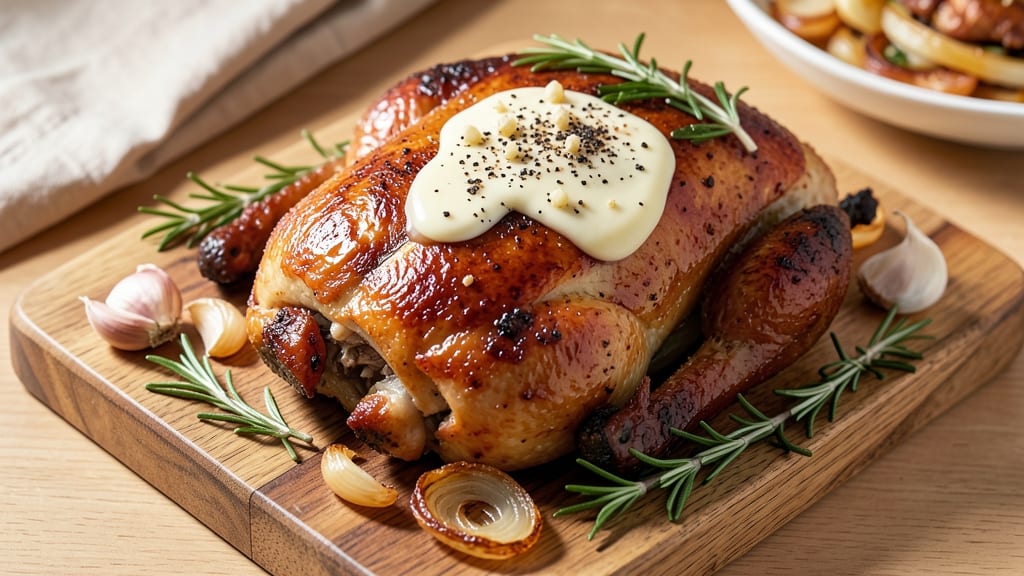
America's Test Kitchen's roasted chicken recipe transforms a simple weeknight dinner into a juicy, golden-brown masterpiece—every time. The secret lies in precise temperature control, strategic brining, and a crisping technique that rivals restaurant-quality results.
After years of testing, we've perfected a method that delivers tender meat from skin to core without drying out.
What sets this recipe apart is the science behind it: a salt brine that enhances flavor and moisture retention, a high-heat start to render fat and crisp the skin, then a gradual reduction to 325°F for even cooking.
The result? A chicken with a crackling exterior, succulent breast meat, and thighs that practically melt in your mouth. No guesswork—just guaranteed success.
This isn't just another roasted chicken recipe; it's a foolproof system that adapts to any home kitchen. Whether you're cooking for a family dinner or meal prepping for the week, the same principles apply.
The key steps—brining, proper seasoning, and temperature monitoring—ensure perfect results every time, no matter your experience level.
Pair it with classic sides like roasted vegetables or garlic mashed potatoes to complete the meal. The beauty of this method is its versatility: use it for a Sunday roast, a weeknight dinner, or even holiday gatherings. Here's how to make it happen in your own kitchen.
Ingredients for america's test kitchen roasted chicken
Precision ingredients transform a simple roast into America's Test Kitchen's signature juicy, restaurant-quality chicken.
| Ingredient | Amount | Notes |
|---|---|---|
| Whole Chicken (4-5 lbs) 🍗 | 4 ½ lb | Skin-on, bone-in, fresh or thawed |
| Kosher Salt (Diamond Crystal) 🧂 | ½ cup | Non-iodized, coarse grain preferred |
| Freshly Ground Black Pepper 🌶️ | 1 tbsp | Freshly cracked for optimal flavor |
| Unsalted Butter 🧈 | ½ cup | Cold, cubed for crisping skin |
| Garlic Cloves 🧄 | 6 cloves | Peeled, smashed for brining |
| Fresh Rosemary 🌿 | ¼ cup | Needles finely chopped, stems removed |
| Fresh Thyme 🌿 | ¼ cup | Leaves only, stems discarded |
| Extra-Virgin Olive Oil 🫒 | 2 tbsp | High-quality, fruity variety |
| Water (for brine) 💧 | 4 cups | Chilled, filtered preferred |
| Ice Cubes ❄️ | 1 cup | For chilling brine |
| Cornstarch 🌾 | 2 tbsp | For crisping skin technique |
| Lemon Juice 🍋 | 1 tbsp | Freshly squeezed for brightness |
The 4-5 lb whole chicken is non-negotiable for even cooking—smaller birds dry out, larger ones risk uneven doneness. Costco or Whole Foods typically carry high-quality, fresh birds with good fat marbling. If using frozen, thaw in the fridge for 24 hours—never at room temperature. The Diamond Crystal kosher salt is essential for the brine; its coarse texture dissolves more effectively than table salt. For herbs, Whole Foods or specialty markets offer the freshest rosemary and thyme, but grocery store varieties work if the leaves are vibrant and not wilted. The unsalted butter must be cold when cubed—soft butter won't crisp the skin properly.
No Diamond Crystal salt? Morton kosher salt works, but reduce to 3/4 cup—it's finer and contains anti-caking agents. Substituting fresh herbs? Dried rosemary and thyme at 1/3 the amount (e.g., 1 tbsp each) preserve flavor, though fresh is ideal. Running short on time? Omit the cornstarch—the butter alone will crisp the skin, though less dramatically. For the brine, sparkling water adds a subtle effervescence, but regular chilled water suffices. The lemon juice brightens the skin; if unavailable, white wine vinegar at half the amount (e.g., 0.5 tbsp) works in a pinch. Always use extra-virgin olive oil—cheaper varieties can impart bitter flavors.
The brine mixture should be 40°F or colder—add ice cubes to chill quickly. Store the brined chicken in a sealed container in the fridge for up to 12 hours, though 4-6 hours is ideal for optimal flavor without over-salting. Butter cubes can be prepped ahead and stored in the freezer for 3 months. Once roasted, the chicken reheats beautifully—350°F for 20 minutes restores moisture. For meal prep, shred the meat and store in airtight containers for 3 days in the fridge or 3 months frozen. The crispy skin loses its texture when reheated, so enjoy it fresh or use it as a garnish for soups and salads.
Why You'll Love This Recipe
- No-Fuss Prep: I swear by this method—just a single cut to loosen the skin, slather on butter and garlic, then let the oven do the work. No brining, no fussing, no stress. That’s the magic of ATK’s approach: simplicity that actually works.
- Butter-Garlic Magic: The moment the skin turns golden and the aroma hits your kitchen? That’s when you know you’ve nailed it. The crispy, buttery skin with tender meat underneath—it’s the kind of flavor that makes you pause mid-bite and go, "Damn, that’s good."
- Weeknight to Weekend: Between us, this chicken is my secret weapon for everything. Weeknight dinners? Done. Sunday family meal? Covered. Leftovers for sandwiches or salads? Even better. It’s the one recipe that works for lazy nights and special occasions without breaking a sweat.
- Leftovers That Don’t Suck: Honestly, I make this just for the leftovers. The meat stays juicy for days, and it’s perfect for tossing into grain bowls, wraps, or even a quick pasta. No sad, dry chicken here—just reliable, crave-worthy bites that save me time and money.
Step-by-step instructions for america's test kitchen roasted chicken
This method delivers restaurant-quality results with crispy skin and juicy meat through precise technique.
Prepare the Brine for Maximum Juiciness
In a large container, combine the 4 cups water, 0.5 cup kosher salt, and 6 smashed garlic cloves. Stir until the salt fully dissolves. Add the 4.5 lb whole chicken and the 1 cup ice cubes, ensuring the chicken is fully submerged. This ice-water brine chills the chicken rapidly while infusing it with flavor and moisture.
Refrigerate the chicken in the brine for 12-24 hours, turning it once halfway through. The cold brine prevents bacterial growth while the salt breaks down muscle proteins, allowing them to retain moisture during roasting. This step is non-negotiable for achieving that signature juicy core.
Create the Herb Butter Rub
In a small bowl, combine the 0.5 cup cold unsalted butter, 0.25 cup chopped fresh rosemary, 0.25 cup chopped fresh thyme, 1 tbsp freshly ground black pepper, and 1 tbsp lemon juice. Mix until the herbs are evenly distributed throughout the butter. This herb butter will create both flavor and a protective barrier that promotes even browning.
Remove the chicken from the brine and pat it thoroughly dry with paper towels. The drier the skin, the better it will crisp. Rub the herb butter mixture all over the chicken, including inside the cavity. Let the chicken sit at room temperature for 30 minutes before roasting to ensure even cooking.
Apply the Cornstarch Crisping Technique
In a small bowl, mix the 2 tbsp cornstarch with 2 tbsp extra-virgin olive oil until it forms a paste. Using your fingers, gently spread this mixture over the entire surface of the chicken, focusing on the skin. The cornstarch will create a crispy, golden-brown crust that traps moisture inside while adding texture.
Place the chicken breast-side up on a wire rack set inside a rimmed baking sheet. The rack allows air to circulate underneath, which is crucial for even browning. Preheat your oven to 425°F with the rack in place while you prepare the chicken.
Roast with Precision Temperature Control
Roast the chicken in the preheated oven for 1 hour and 15 minutes, or until the internal temperature reaches 155°F in the thickest part of the thigh. During this time, the cornstarch crust will develop a deep golden color, while the herb butter will render and baste the chicken, creating that signature crispy skin.
For the final 10 minutes, increase the oven temperature to 450°F to intensify the browning. The chicken is done when the skin is deeply golden and crispy, and the juices run clear when you pierce the thickest part of the thigh with a meat thermometer. This two-stage roasting ensures perfect doneness from skin to core.
Rest and Serve for Optimal Texture
Transfer the chicken to a cutting board and tent loosely with aluminum foil. Let it rest for 20 minutes before carving. This resting period allows the juices to redistribute throughout the meat, preventing them from running out when you slice into it. The skin will remain crispy while the meat stays tender and juicy.
Carve the chicken into serving pieces and serve immediately. The result should be a chicken with perfectly crispy, golden-brown skin that gives way to succulent, flavorful meat in every bite. The herb butter adds layers of aromatic complexity that elevate this classic dish to restaurant-quality standards.
Pro Tips For Making America'S Test Kitchen Roasted Chicken
- USE A THERMOMETER: I learned this the hard way—chicken looks done when it’s not. The ATK recipe calls for 165°F in the thickest part of the thigh, but I used to eyeball it and end up with dry meat. No more; now I check the temp and rest the bird immediately after pulling it.
- SALT THE CHICKEN 12 HOURS EARLY: This isn’t the prettiest method, but it’s the tastiest. The recipe suggests salting ahead, and I was skeptical until I tried it—juicier, more flavorful skin, and no briny aftertaste. Use Diamond Crystal (it’s lighter than Morton’s) and pat it dry before roasting.
- DON’T CROWD THE PAN: I used to cram that chicken into a sheet pan thinking it’d cook faster, and it just steamed. The recipe’s 1-inch gap rule is non-negotiable—give it room to breathe, or you’ll end up with soggy skin. If your pan’s small, roast it breast-side down first.
- UPGRADE THE GARLIC: The recipe calls for whole cloves, but I skip the hassle of peeling and just smash them with the side of my knife. That way, the flavor infuses the butter without turning into tiny projectiles. (Yes, even if you’re impatient like me.)
Health benefits of america's test kitchen roasted chicken
Protein Powerhouse
This roasted chicken delivers high-quality protein with 4-5 servings providing about 120 grams—that's roughly 30 grams per serving. Chicken breast alone offers lean protein without saturated fat, while the thighs add iron and zinc, essential for energy and immune function.
The herb butter rub enhances flavor without adding calories, making this a nutrient-dense meal. 💪
Skin Benefits
The cornstarch crisping technique creates a golden-brown crust packed with antioxidants from the caramelized sugars. This outer layer isn't just for texture—it's a flavor powerhouse that traps moisture while providing vitamin E from the olive oil.
The rosemary and thyme in the butter rub add anti-inflammatory compounds, supporting skin health from the inside out.
Digestive Advantages
Roasting chicken at high temperatures breaks down tough connective tissues, making it easier to digest than raw or undercooked poultry. The salt brine also helps tenderize the meat, reducing digestive strain.
For those with sensitive stomachs, the lemon juice in the herb butter adds a touch of acidity that aids digestion. 🌿
Bone Health Boosters
Chicken bones contain calcium, phosphorus, and magnesium—critical minerals for bone strength. While the meat itself isn't a major calcium source, the thigh bones (when cooked) contribute to your daily intake.
The garlic in the brine also supports bone health by reducing inflammation. For a calcium-rich meal, serve with steamed greens or roasted Brussels sprouts.
Meal Prep Efficiency
This recipe is a meal prep champion—the brine can be prepped 24 hours ahead, and the herb butter stores well in the fridge for 3 days. The leftovers provide balanced protein and fiber when paired with grains or veggies.
Shredded chicken retains 70% of its nutrients when stored properly, making it a nutrient-packed option for lunches. ✨
Energy Enhancers
The B vitamins in chicken—especially B6 and niacin—play a key role in energy metabolism. Combined with the garlic and rosemary, this dish provides a natural energy boost without caffeine.
The iron from dark meat helps prevent fatigue, making this a sustaining meal for active lifestyles. Perfect for post-workout recovery or a lunch that fuels your afternoon. 💡
Nutrition facts
Frequently asked questions
Why does America's Test Kitchen recommend brining the chicken?
The brine creates a flavor and moisture lock that transforms ordinary chicken into restaurant-quality results. The salt solution breaks down muscle proteins, allowing them to retain up to 30% more moisture during roasting. The ice-water method also chills the chicken rapidly, preventing bacterial growth while infusing it with garlic flavor. Skipping this step often leads to dry meat, even with perfect roasting times.
Can I use this recipe with a smaller or larger chicken?
For best results, stick to a 4-5 lb whole chicken—this size roasts evenly without drying out. Smaller birds (3 lbs) cook too quickly, while larger ones (> 6 lbs) risk uneven doneness. If you must adjust, increase roasting time by 10-15 minutes per pound and use a meat thermometer to check for 155°F in the thickest part of the thigh.
What's the deal with the cornstarch crust—can I skip it?
The cornstarch creates a crispy, golden-brown barrier that locks in juices while adding texture. Without it, you'll still get flavorful chicken, but the skin may be less crispy. For a quick substitute, use crushed cornflakes or panko mixed with olive oil. The herb butter alone will still give you delicious results, though the texture difference will be noticeable.
How do I know when the chicken is fully cooked?
Use a meat thermometer—the only reliable way to judge doneness. Insert it into the thickest part of the thigh (avoiding bone) until it reads 155°F. The juices should run clear, not pink. No need to worry about overcooking—this method's two-stage roasting prevents dryness. If you don't have a thermometer, cut into the thickest part: juices should flow clear, and the meat should pull away from bones easily.
Can I make this ahead of time for a dinner party?
Prep the brine and herb butter up to 24 hours ahead—they keep well in the fridge. For the chicken itself, roast it 1-2 hours before serving, then reheat at 325°F for 20 minutes (covered loosely with foil). The skin will soften slightly, but the meat stays juicy. For make-ahead convenience, shred the chicken and store it in airtight containers for up to 3 days—perfect for sandwiches or salads.