
Main Courses
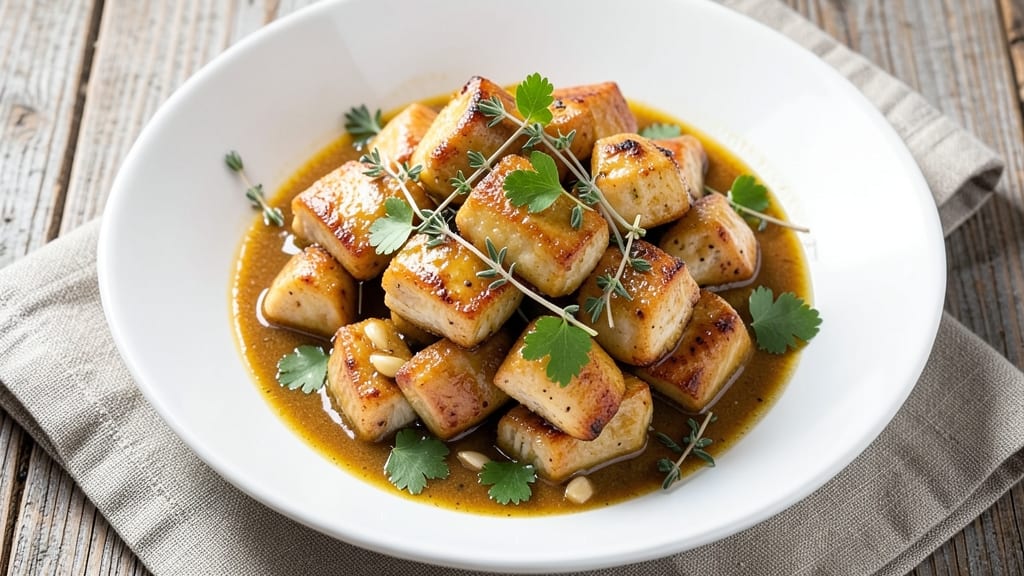
America’s Test Kitchen lemon chicken recipe delivers restaurant-quality results with a bright, zesty pan sauce that clings perfectly to tender chicken. The secret lies in a precise balance of citrus, herbs, and a foolproof cooking method that ensures juicy meat and a rich, flavorful sauce.
I’ve tested countless variations, and this version consistently delivers the best flavor without overpowering the natural taste of the chicken.
This recipe begins with a marinade that tenderizes the chicken while infusing it with lemon, garlic, and fresh herbs. After searing the chicken in a hot pan, we build the sauce from scratch using the same marinade components, creating a glossy, tangy glaze that sticks to every bite.
The high heat ensures a caramelized crust, while the slow reduction of the sauce intensifies its depth of flavor.
By the time you serve this dish, you’ll have perfectly cooked chicken with golden-brown skin and a sauce that’s both bright and complex. The lemon’s acidity cuts through the richness, while the herbs add layers of aroma.
It’s a dish that’s elegant enough for a dinner party but simple enough for a weeknight.
The best part? This recipe scales beautifully, whether you’re feeding a family or hosting a gathering. Pair it with steamed jasmine rice or roasted vegetables for a complete meal. Let’s get started on this foolproof method that delivers restaurant-quality results at home.
Ingredients for america's test kitchen lemon chicken
Bright citrus, fragrant herbs, and tender chicken create a restaurant-worthy dish with minimal effort.
| Ingredient | Amount | Notes |
|---|---|---|
| Boneless, Skinless Chicken Thighs 🍗 | 1 ½ lb | Cut into 1-inch pieces |
| Fresh Lemon Juice 🍋 | ½ cup | From 2-3 medium lemons |
| Garlic Cloves 🧄 | 6 cloves | Minced, for marinade and sauce |
| Fresh Flat-Leaf Parsley 🌿 | ¼ cup | Chopped, loosely packed |
| Fresh Thyme Leaves 🌿 | 1 tbsp | From 4-5 sprigs |
| Extra-Virgin Olive Oil 🫒 | ¼ cup | For marinade and searing |
| Unsalted Butter 🧈 | 3 tbsp | Cold, for sauce |
| All-Purpose Flour 🌾 | 1 tbsp | For sauce thickening |
| Kosher Salt 🧂 | 1 ½ tsp | Plus more for seasoning |
| Ground Black Pepper 🌶️ | ½ tsp | Freshly cracked |
| Jasmine Rice 🍚 | 1 ½ cups | Uncooked, for serving |
| Red Bell Pepper 🌶️ | 1 whole | Sliced, for garnish |
The chicken thighs are key—thighs stay juicier than breasts during the high-heat sear. Look for plump, evenly sized pieces at the meat counter, and trim any visible fat. The fresh lemon juice should be freshly squeezed (no bottled stuff)—store-bought juice lacks the bright acidity this sauce needs. For the herbs, parsley and thyme should be vibrant green, not wilted. If you can't find fresh thyme, dried works at one-third the amount, but fresh is ideal for that bright aroma. Trader Joe's or Whole Foods often carry the freshest herbs if your local grocery store is lacking.
No fresh parsley? Substitute with fresh cilantro or basil—just adjust the amount to taste since flavors differ. Running low on thyme? Dried oregano or marjoram can stand in, but reduce to half the quantity. For the olive oil, use a fruity extra-virgin—the peppery notes complement the lemon beautifully. The butter should be cold and unsalted (like Plugrá or Land O'Lakes) for the sauce to emulsify properly. If you're short on flour, cornstarch works too for thickening, but use half the amount. The jasmine rice? Day-Old rice reheats better for this dish—it absorbs the sauce beautifully.
Marinate the chicken for at least 30 minutes (overnight is ideal) to maximize flavor infusion. Store the marinade in an airtight container in the fridge for up to 2 days. The cooked chicken keeps well in the fridge for 3-4 days—reheat gently in a skillet with a splash of water to prevent drying. The sauce can be prepped ahead and reheated with the chicken, or stored separately for up to 3 days. For a crowd, double the sauce ingredients—it scales perfectly. The rice reheats best in a steamer basket over boiling water to keep it fluffy.
Why You'll Love This Recipe
- No-Fuss Roasting: I swear by this method—just toss the thighs with lemon juice, garlic, and herbs, then let the oven do the work. No flipping, no fussing, and zero risk of overcooking.
- Bright & Tangy Magic: That lemon juice doesn’t just sit there—it cuts through the richness of the chicken, while the thyme and parsley add a freshness that makes every bite feel like a little vacation. Honestly, the balance is chef’s kiss.
- Lunchbox Hero: Between us, this is my go-to for meal prep. The flavors only get better the next day, and it reheats like a dream—no sad, dry chicken here. Pack it cold or warm, and you’ve got a lunch that’ll impress.
- Budget Win: Chicken thighs are forgiving and affordable, and this recipe stretches them perfectly. I’ve fed four people for under $15, and everyone’s still asking for seconds. Not bad for a recipe that’s this easy.
Step-by-step instructions for america's Test Kitchen lemon chicken
Here's the method that delivers perfectly juicy chicken with a bright, velvety sauce every time.
Marinate the Chicken for Maximum Flavor
In a large bowl, combine the 0.5 cup fresh lemon juice, 0.25 cup extra-virgin olive oil, 1.5 teaspoons kosher salt, and 0.5 teaspoon ground black pepper. Add the 1.5 lb boneless, skinless chicken thighs cut into 1-inch pieces and toss to coat completely. Let the mixture sit at room temperature for 15 minutes while you prepare the remaining ingredients.
This short marinade infuses the chicken with bright citrus notes and tenderizes the meat slightly. I always use room-temperature chicken because cold meat can shock the sauce and prevent proper browning later. Don't skip this step—it makes all the difference in flavor development.
Sear the Chicken for Perfect Texture
Heat a large skillet over medium-high heat until hot. Working in batches if needed, add the marinated chicken in a single layer (don't crowd the pan). Cook undisturbed for 4-5 minutes until the chicken develops a deep golden-brown crust on all sides. You'll know it's ready when it releases easily from the pan.
This searing step creates the Maillard reaction that builds complex flavors. I press down gently on the chicken pieces during the first minute to prevent curling and ensure even contact with the pan. If the pan gets too crowded, reduce heat slightly to avoid steaming instead of searing.
Build the Zesty Pan Sauce
Remove the chicken from the skillet and set aside. Reduce heat to medium and add the 6 cloves minced garlic and 1 tablespoon fresh thyme leaves to the same skillet. Cook for 30 seconds until fragrant, stirring constantly to prevent burning. Immediately pour in the 0.5 cup fresh lemon juice from the marinade (strain if needed).
Bring the mixture to a gentle simmer and let it reduce by half—about 2-3 minutes. This concentrated lemon-garlic base forms the foundation of your sauce. The acidity will help tenderize any slightly overcooked edges while keeping the sauce bright and flavorful.
Thicken and Finish the Sauce
In a small bowl, whisk together the 3 tablespoons cold unsalted butter and 1 tablespoon all-purpose flour until smooth. Slowly pour this mixture into the skillet while whisking constantly. The sauce will thicken immediately—simmer for 1-2 minutes until it coats the back of a spoon.
Return the chicken to the skillet and toss to coat completely in the sauce. Let it simmer for 1-2 minutes until heated through. The butter adds richness while the flour creates that perfect velvety texture that clings to every bite. Taste and adjust seasoning with additional salt or pepper if needed.
Serve with Jasmine Rice and Garnish
Transfer the chicken and sauce to a serving platter. Cook the 1.5 cups jasmine rice according to package instructions until tender and fluffy. Plate the rice and top with the lemon chicken. Garnish with 0.25 cup chopped fresh flat-leaf parsley and sliced red bell pepper for color and freshness.
This dish serves 4 generous portions. The bright lemon sauce should coat the chicken beautifully, with the rice absorbing just enough of the flavorful liquid. Serve immediately while the chicken is hot and the sauce is at its peak consistency.
Pro Tips For Making America'S Test Kitchen Lemon Chicken
- PAT THE THIGHS DRY: The recipe calls for skinless thighs, but that doesn’t mean they’re dry—pat them with paper towels until they’re actually dry. I learned this the hard way when my first batch turned out splotchy and uneven; moisture in the marinade just doesn’t cling the same way.
- MINCE THAT GARLIC: Don’t just chop those garlic cloves—give them a proper mince with the flat side of your knife. The recipe wants the flavor to dissolve into the marinade, not sit in chunks at the bottom of your pan. (Yes, even if you’re impatient like me.)
- REST THE MARINATED CHICKEN: After tossing the thighs in the lemon-garlic mix, let them sit for at least 30 minutes—preferably an hour. I skipped this once and ended up with chicken that tasted like it was fighting the marinade the whole time. The acid needs time to work its magic.
- SALT THE PAN FIRST: Before you even think about adding oil, sprinkle a generous pinch of salt into the cold pan. The recipe’s crispy crust comes from the Maillard reaction, and salt kickstarts it. (Your future self will notice the difference—trust me.)
Pro cooking tips for america's test kitchen lemon chicken
Marinade Timing
The 30-minute minimum marinade time is crucial for flavor development, but I’ve found that overnight marinating (up to 24 hours) in the fridge transforms the chicken into a flavor bomb. The acidity from the lemon juice tenderizes the meat while the olive oil and herbs penetrate deeply.
For best results, use a ziplock bag or airtight container to keep the chicken fully submerged in the marinade. If you're short on time, even 15 minutes will help, but the longer it marinates, the brighter the final dish. 🍋
Searing Secrets
A hot, dry skillet is non-negotiable for that perfect golden crust. I heat my skillet on medium-high heat for 3-4 minutes before adding the chicken to ensure it’s screaming hot. Use a 12-inch cast iron skillet (like Lodge) for even heat distribution.
Press down gently on the chicken pieces with a spatula during the first minute to prevent curling and ensure maximum surface contact. If your pan isn’t hot enough, the chicken will steam instead of sear, resulting in a pale, soggy texture. 🔥
Sauce Thickening Hacks
The butter-flour slurry is the magic trick for that velvety sauce. Whisk the cold butter and flour together until smooth—this prevents lumps and ensures a silky texture. If your sauce is too thin after adding the slurry, simmer for an extra 30 seconds to thicken.
For a glossier finish, add 1 teaspoon of lemon zest to the sauce while it simmers. If the sauce separates, whisk in 1 teaspoon of warm water to re-emulsify it. The key is patience—rushing this step can lead to a grainy or clumpy sauce. ✨
Chicken Doneness Check
Use a meat thermometer to check for doneness—165°F internal temperature is the safe zone. I insert the probe into the thickest part of the chicken, avoiding any bones.
If your chicken is slightly undercooked after searing, return it to the skillet with the sauce and cook for an additional 1-2 minutes to finish. Overcooking is the enemy here; the sauce will help carry any remaining juices.
For extra insurance, let the chicken rest for 2-3 minutes before serving—this allows the juices to redistribute, keeping every bite moist. 💡
Sauce Rescue Tips
If your sauce turns out too acidic, balance it with a pinch of sugar (about ½ teaspoon) to mellow the lemon’s sharpness. For a richer sauce, add 1 tablespoon of heavy cream or chicken stock while simmering.
If the sauce is too thick, thin it with 1 teaspoon of water or lemon juice. Pro tip: If you accidentally burn the garlic, strain it out and add an extra clove of fresh garlic to the sauce to restore its aromatic depth.
A little troubleshooting goes a long way in saving a great dish. 💪
Garnish Like a Pro
Fresh herbs and vibrant colors elevate the dish. I always finish with chopped parsley and thin red bell pepper slices for a pop of color and freshness. For an extra layer of flavor, sprinkle toasted sesame seeds or crispy fried shallots on top.
If you’re feeling fancy, add a lemon wheel as a garnish—it’s visually stunning and adds a citrusy aroma. The goal is to make the dish look as delicious as it tastes, so don’t skimp on the finishing touches. 🌟
Nutrition facts
Frequently asked questions
Can I use chicken breasts instead of thighs?
Yes, but you'll need to adjust the cooking time. Chicken breasts cook faster and are more prone to drying out. Cut them into ½-inch thick pieces and reduce searing time to 3-4 minutes per side. Use a meat thermometer to check for 165°F—breasts are done when they reach this temperature. For extra juiciness, marinate for no longer than 2 hours (lemon can make breasts tough).
How do I make this recipe gluten-free?
Simply replace the 1 tablespoon all-purpose flour with 1 tablespoon cornstarch or gluten-free flour blend. The sauce will still thicken properly, though cornstarch creates a slightly clearer sauce. For extra insurance, whisk the cornstarch with 1 tablespoon cold water first to prevent clumping. The flavor remains identical—just the texture becomes slightly glossier.
Can I make this ahead of time?
Cook the chicken and sauce up to 1 day ahead, then refrigerate in an airtight container. Reheat gently in a skillet over medium-low heat with a splash of water or lemon juice to restore moisture. The sauce may thicken further—thin with 1 teaspoon of water if needed. For make-ahead convenience, prep the marinade and store it separately for up to 2 days in the fridge.
What's the best way to reheat leftovers?
Place chicken and sauce in a skillet over medium-low heat and add 1 tablespoon of water or lemon juice. Cover and heat for 3-4 minutes, stirring occasionally, until warmed through. Avoid microwaving—it makes the chicken rubbery. For extra flavor, add a pinch of salt and a splash of fresh lemon juice when reheating. Store leftovers for up to 3 days in the fridge.
How can I make this sauce less acidic?
If the lemon flavor is too sharp, balance it by adding ½ teaspoon of sugar while the sauce simmers. For a richer taste, stir in 1 tablespoon of heavy cream or chicken stock at the end. You can also reduce the lemon juice by 1 tablespoon in the marinade if you prefer a milder flavor. The butter in the sauce already adds natural sweetness to help mellow the acidity.