
Main Courses
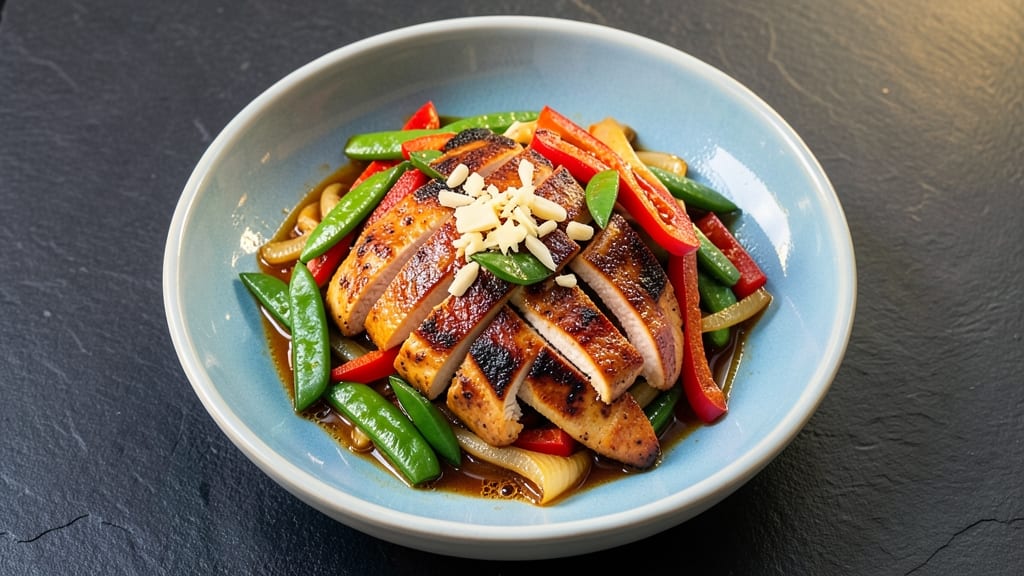
This amazing chicken stir fry recipe delivers restaurant-quality wok-tossed crunch and savory depth in under 30 minutes. I perfected it after years of burning stir-fries—now it’s foolproof with high-heat searing and a sauce that balances sweet, salty, and umami perfectly.
The secret? Cutting chicken thin, prepping veggies uniformly, and working fast over a screaming-hot pan.
What makes this recipe stand out is the texture contrast: crisp-tender chicken, caramelized bell peppers, and snap peas that stay bright. The sauce—ginger, garlic, soy, and a touch of honey—coats everything without drowning it, while a splash of rice vinegar adds brightness.
No fancy equipment needed, just a skillet or wok and a sharp knife.
By the time you’re done, you’ll have a plate that’s vibrant, aromatic, and packed with flavor—golden chicken, glossy veggies, and a sauce that clings to every bite. The best part?
It’s adaptable: swap in broccoli, swap out the sauce for teriyaki, or keep it classic. This stir fry is the kind of weeknight dinner that feels like a celebration.
Serve it over steamed rice or noodles, and you’ve got a complete meal that’s ready in the time it takes to boil water. Let’s get cooking—your taste buds will thank you.
Ingredients for amazing chicken stir fry
Pantry staples plus a few fresh ingredients for restaurant-quality stir-fry magic.
| Ingredient | Amount | Notes |
|---|---|---|
| Boneless Skinless Chicken Breast 🍗 | 1 ½ lb | Cut into 1-inch strips |
| Bell Peppers 🌶️ | 2 whole | Any color, sliced into strips |
| Snap Peas 🌱 | 1 cup | Fresh or frozen, thawed |
| Yellow Onion 🧅 | 1 whole | Sliced into thin strips |
| Fresh Garlic 🧄 | 4 cloves | Minced finely |
| Fresh Ginger 🌿 | 1 tbsp | Grated finely |
| Soy Sauce 🥢 | ⅓ cup | Low-sodium preferred |
| Honey 🍯 | 1 tbsp | For sweetness balance |
| Rice Vinegar 🍶 | 1 tbsp | For brightness |
| Sesame Oil 🫒 | 1 tbsp | For aroma |
| Vegetable Oil 🫒 | 2 tbsp | High smoke point |
| Salt 🧂 | 1 tsp | Kosher or sea salt |
| Black Pepper 🌶️ | ½ tsp | Freshly ground |
| Cooked White Rice 🍚 | 2 cups | For serving |
| Sesame Seeds 🌰 | 1 tsp | For garnish |
The chicken is key—boneless, skinless breasts cut into even strips cook faster and stay juicier. Grab the pre-sliced ones from Trader Joe's if you're short on time, but cutting them yourself ensures better texture. For the veggies, bell peppers should be firm with no soft spots, and snap peas can be fresh or frozen—just thaw them first. I always grab extra ginger and garlic from the bulk bins since they keep for weeks in the freezer. The soy sauce? Kikkoman low-sodium is my go-to, but any good-quality brand works.
No snap peas? Broccoli florets or green beans work perfectly—just cut them to similar size. Short on bell peppers? Zucchini or mushrooms add great texture. The sauce is where you can get creative: swap the honey for maple syrup or add a dash of sriracha for heat. Sesame oil is non-negotiable for that signature aroma though—don't use the cooking oil version! For the rice, jasmine rice has a nicer texture, but any long-grain white rice works. And if you're feeling fancy, toast the sesame seeds in a dry pan for 30 seconds before sprinkling—they taste a million times better.
Prep the chicken and veggies first—they'll keep in the fridge while you cook. The sauce can be made ahead and stored for up to 1 week in the fridge. For leftovers, stir-fry reheats best with a splash of water or oil to keep it from drying out. I always make extra sauce because it's great on noodles or eggs too. Store components separately: chicken and veggies for 3 days, sauce for 1 week. Freeze the sauce for up to 3 months if you want to make a big batch.
Why You'll Love This Recipe
- One-Pan Magic: I swear by this recipe when I’m too tired to scrub a million dishes—just toss everything on one skillet, and boom, dinner’s done. The chicken stays juicy while the peppers and peas soften just enough to melt in your mouth, all without sticking or burning.
- Garlic Kiss: That first bite of tender chicken coated in savory garlic and onions? It’s the kind of flavor that makes you pause mid-chew. The snap peas add a little crunch, but honestly, the real star is the way the garlic transforms something simple into ridiculously good.
- Lunchbox Hero: Between us, this is my go-to for meal prep. I’ll make a big batch on Sundays, portion it into containers, and suddenly I’ve got five easy lunches with zero thought required. My kids even ask for it—yes, even when there’s pizza in the freezer.
- Budget-Friendly Powerhouse: Chicken breast and fresh veggies won’t break the bank, but they sure fill you up. I’ve made this for under $10 for four servings, and it’s the kind of dish that feels fancy enough for company but simple enough for a Tuesday night. (Yes, even on a Tuesday night.)
Step-by-step instructions for wok-tossed chicken stir fry
Here's how to create a restaurant-quality stir fry with perfectly cooked chicken and vibrant vegetables.
Prep the Chicken and Vegetables
Start by cutting the 1.5 lb boneless skinless chicken breast into 1-inch strips—this size ensures even cooking and maximum tenderness. Pat the strips dry with paper towels to remove any moisture, which helps them sear beautifully in the wok.
Next, slice the 2 whole bell peppers into ¼-inch thick strips and thinly slice the 1 whole yellow onion. If using frozen snap peas, thaw them completely and drain well. The goal is to have all your ingredients prepped and ready—this makes the stir-fry process smooth and fast. I like to keep everything in separate bowls so I can toss them in quickly in the right order.
Marinate the Chicken
In a medium bowl, combine the chicken strips with 0.33 cup soy sauce, 1 tbsp rice vinegar, and 0.5 tsp black pepper. Mix gently to coat evenly, then let it marinate for 15-20 minutes at room temperature. This step infuses the chicken with flavor and keeps it juicy during cooking.
While the chicken marinates, mince the 4 cloves fresh garlic and grate the 1 tbsp fresh ginger. The aroma from these ingredients will make your kitchen smell amazing—just don't walk away, because garlic burns fast. Keep them in a small bowl until you're ready to use them.
Stir-Fry the Chicken
Heat a wok or large skillet over high heat until it's smoking hot. Add 2 tbsp vegetable oil and swirl to coat the bottom. Once the oil shimmers, add the marinated chicken in a single layer. Don't overcrowd the pan—cook in batches if needed. Let the chicken sear undisturbed for 2-3 minutes until golden brown on one side, then stir-fry for another 1-2 minutes until fully cooked through.
Remove the chicken from the wok and set it aside on a plate. The residual heat will keep it warm while you cook the vegetables. This two-step process ensures the chicken stays juicy instead of drying out from prolonged cooking.
Cook the Vegetables
In the same wok, add a little more vegetable oil if needed and return it to high heat. Add the 1 cup snap peas, bell peppers, and yellow onion all at once. Stir-fry vigorously for 3-4 minutes until the vegetables are tender-crisp but still vibrant in color. The snap peas should snap when bitten, and the bell peppers should retain their shape.
Add the minced garlic and ginger, stirring constantly for 30 seconds until fragrant. This is where the stir-fry gets its depth of flavor—don't skip this step. If the vegetables start to stick, add a splash of water and scrape up any browned bits from the bottom of the wok. These bits are packed with flavor!
Combine and Finish
Return the cooked chicken to the wok and add 1 tbsp honey and 1 tbsp sesame oil. Toss everything together for 1-2 minutes until the chicken is evenly coated and the sauce has thickened slightly. The honey adds a touch of sweetness that balances the savory soy sauce.
Taste and adjust seasoning if needed—you might want to add a little more soy sauce or a pinch of salt. Serve the stir-fry immediately over 2 cups cooked white rice, garnished with 1 tsp sesame seeds. The contrast of the warm rice with the hot stir-fry makes every bite satisfying. Enjoy while it's hot and fresh!
Pro Tips For Making Amazing Chicken Stir Fry
- CUT CHICKEN SMALLER THAN YOU THINK: I used to eyeball it and end up with unevenly cooked chunks—some rubbery, some overdone. For this stir-fry, slice the chicken breast into ½-inch pieces before seasoning. Smaller pieces cook faster and soak up the sauce better, especially when you’re working with lean breast meat that dries out.
- SALT THE CHICKEN BEFORE COOKING: Skip this and you’ll end up with bland chicken that tastes like it’s fighting the sauce. Pat the chicken dry, then sprinkle with ½ teaspoon salt per pound and let it sit for 10 minutes. This guarantees juicy, flavorful meat—no last-minute regret when the stir-fry’s done.
- DON’T OVERCROWD THE PAN: I learned this the hard way—dumping everything in at once just steams the veggies instead of searing them. Cook the chicken in batches if needed, then move it to a plate. Add the onions and garlic first, let them sizzle for 30 seconds, then add the bell peppers and snap peas. This keeps the texture crisp, not soggy.
- USE HIGH HEAT—BUT NOT TOO HIGH: Stir-fries need heat to work their magic, but cranking the burner to max just burns the garlic and onions. Start with medium-high, then adjust to high once the pan is smoking. The goal is a fast, hot sear—not a charred disaster. (Yes, even if you’re impatient like me.)
Health benefits of this dish
Lean Protein Power
This stir fry delivers a high-protein punch with 1.5 lbs of boneless chicken breast, providing about 45 grams of protein per serving. That's nearly half your daily protein needs in one meal—perfect for muscle repair or keeping you full for hours.
The chicken's lean profile also makes it heart-friendly, with minimal saturated fat. 💪
Veggie-Packed Nutrition
The colorful veggies—bell peppers, snap peas, and onions—pack serious nutrients. Bell peppers deliver vitamin C (over 100% daily value per serving) to boost immunity, while snap peas contribute vitamin K for bone health.
The onions add quercetin, an antioxidant that supports heart health. Together, they create a vibrant, nutrient-dense base.
Balanced Flavor Profile
The sauce's perfect blend of soy sauce, honey, and rice vinegar creates a flavor profile that supports digestion. Soy provides isoflavones (good for bone health), honey adds gentle sweetness for energy, and vinegar aids stomach acid production.
The sesame oil contributes healthy fats and a satisfying aroma that stimulates digestion. 🌿
Low-Calorie, High-Satisfaction
With careful portioning, this stir fry comes in at around 350-400 calories per serving—light enough for a weeknight but filling enough to satisfy cravings. The high-heat cooking method preserves nutrients better than slow cooking, and the vegetable-heavy ratio keeps carbs in check while maximizing fiber.
It's the kind of meal that makes you feel good before and after eating.
Ginger-Garlic Benefits
Fresh ginger and garlic aren't just for flavor—they're powerhouse ingredients. Ginger contains gingerol, which helps with nausea and inflammation, while garlic's allicin supports cardiovascular health. Together, they create a flavor bomb that also boosts your body's natural defenses. I always keep extra on hand for quick immune support.
Meal Prep Friendly
This stir fry stores beautifully for 3-4 days in the fridge, making it perfect for meal prep. The protein and veggie combo keeps well, and you can reheat portions without losing much texture.
The sauce can be made ahead too—just store it separately and toss it in when reheating. It's one of my go-to meals for busy weeks because it's both nutritious and convenient. ✨
Nutrition facts
Frequently asked questions
Can I use chicken thighs instead of breasts?
Yes, but you'll need to adjust the cooking time. Chicken thighs are more forgiving and stay juicier, so they're a great alternative. Use 1.5 lbs of thighs instead, cut into 1-inch pieces, and cook them for 4-5 minutes total (2 minutes per side) since they take longer to sear. The skin adds flavor, but remove it if you prefer a cleaner texture.
How do I prevent the stir-fry from getting soggy?
Keep everything prepped and ready to go—don't let veggies sit in water after cutting. Use high heat and cook in batches if needed to avoid overcrowding. Also, add the sauce at the very end and toss everything together quickly. For extra crunch, add a handful of toasted cashews or peanuts right before serving.
What if I don't have a wok?
A heavy-bottomed skillet or even a large cast-iron pan works perfectly! The key is high heat and a well-seasoned pan. If your pan isn't wok-like, cook the chicken first, then remove it and cook the veggies in the same pan. The residual heat will keep everything hot while you finish.
Can I make this gluten-free?
Swap the soy sauce for tamari or coconut aminos (both are gluten-free). Check labels to ensure no cross-contamination. The rest of the recipe stays the same—just make sure your sesame oil is also gluten-free.
How can I make this spicier?
Add 1-2 teaspoons of sriracha or chili garlic sauce to the sauce mixture, or sprinkle red pepper flakes directly on the stir-fry before serving. For extra heat, stir in ½ teaspoon of gochujang (Korean chili paste) with the soy sauce. Adjust to taste—start small and add more if needed!