
Main Courses
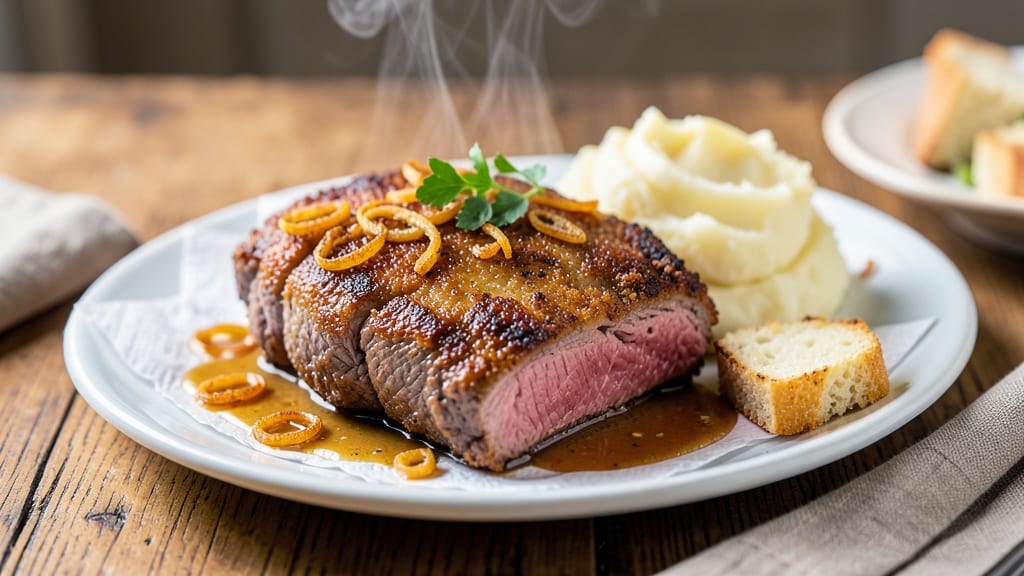
Alton Brown’s chicken fried steak delivers the ultimate comfort food experience—tender, buttermilk-brined beef smothered in golden, triple-dredged crust and rich, velvety gravy.
The secret lies in his signature buttermilk brine, which transforms even the toughest cuts into melt-in-your-mouth perfection, paired with a crispy, shatteringly crunchy breading that stands up to every bite. This isn’t just a recipe; it’s a full Southern meal experience, complete with the gravy that ties it all together.
The magic begins with the buttermilk brine, which tenderizes the beef while infusing it with subtle tang. After a thorough triple-dredge in flour, the steak emerges from the hot oil with a crust so crisp it’ll have you reaching for seconds.
Alton’s method ensures the interior stays juicy, while the exterior achieves that coveted golden-brown finish that’s impossible to resist. Every step—from the marinade to the frying—is designed to deliver restaurant-quality results at home.
What you’ll end up with is a dish that’s equal parts indulgent and comforting: tender, flavorful beef encased in a crunchy, buttery crust, smothered in a smooth, savory gravy that clings to every bite.
The contrast between the crispy exterior and tender interior is what makes this dish legendary, and the gravy—made from the same pan drippings—adds a depth of flavor that’s hard to match. This is the kind of meal that turns a simple weeknight into a celebration.
Serve it alongside classic sides like creamy mashed potatoes and buttery green beans for the full Southern experience. The gravy will stretch across every plate, ensuring no bite goes untouched. Ready to master this iconic dish? Let’s get started with Alton’s foolproof technique.
Ingredients for alton brown chicken fried steak
The buttermilk brine and triple-dredged crust transform simple beef into legendary comfort food.
| Ingredient | Amount | Notes |
|---|---|---|
| Beef Chuck Roast 🥩 | 1 ½ lb | Cut into 4 equal portions |
| Buttermilk 🥛 | 1 cup | Whole-fat preferred for richness |
| All-Purpose Flour 🌾 | 2 cups | For triple-dredging |
| Large Eggs 🥚 | 1 whole | Beaten for egg wash |
| Vegetable Oil 🫒 | 3 cups | High smoke point for frying |
| Salt 🧂 | 2 tbsp | Kosher or sea salt |
| Black Pepper 🌶️ | 1 tbsp | Freshly ground preferred |
| Garlic Powder 🧄 | 1 tbsp | For seasoning |
| Onion Powder 🧅 | 1 tbsp | For seasoning |
| Paprika 🌶️ | 1 tbsp | Smoked variety for color |
| Unsalted Butter 🧈 | 4 tbsp | For gravy |
| Beef Broth 🥫 | 1 cup | Low-sodium preferred |
The beef cut matters here—chuck roast is ideal for its marbling and tenderness. Most grocery stores carry it pre-cut, but if buying whole, ask the butcher to portion it evenly. Costco or Whole Foods often have it prepped and ready for this exact recipe. For the buttermilk, whole-fat is non-negotiable—it adds richness that skim won't match. The flour should be all-purpose, not self-rising, to avoid any baking powder interfering with the crispy crust. If you're prepping ahead, portion the beef and store it in the fridge for up to 2 days before brining.
No buttermilk? Substitute with 1 cup milk plus 1 tbsp vinegar or lemon juice, but let it sit for 5 minutes to curdle. For the triple-dredge, Panko breadcrumbs can replace regular flour in the final coat for extra crunch. The gravy relies on pan drippings, so low-sodium beef broth is critical—regular broth will over-salt the gravy. If you're making this ahead, fry the steaks, then refrigerate the cooked pieces with the gravy. Reheat gently in a skillet with a splash of broth to restore that velvety texture.
The buttermilk brine keeps for 3 days in the fridge, though it's best used within 24 hours. Leftover cooked steaks reheat beautifully in a 350°F oven for 10-15 minutes with fresh gravy. Store gravy separately in an airtight container for up to 5 days, or freeze in ice cube trays for single-serving portions. The flour mixture can be prepped a day ahead and stored in a sealed container—just shake to redistribute before dredging.
Why You'll Love This Recipe
- Pound It Thin: The chuck roast transforms from tough to tender in minutes—just pound it flat with a meat mallet or rolling pin. No fancy knife skills required, and honestly? That’s where the magic happens.
- Buttermilk Magic: That tangy marinade does more than flavor—it tenderizes the meat overnight (or even just a few hours). The result? A crust so crisp it shatters, but a bite that’s buttery and melt-in-your-mouth perfect.
- Weeknight Wonder: Dinner on the table in 45 minutes? Yes. The buttermilk soak can happen while you prep veggies or set the table, and the frying is hands-off—just keep the oil hot and let the flour do its thing.
- Budget Feast: A single chuck roast stretches across multiple meals—slice leftovers for sandwiches, reheat in gravy, or toss into a skillet hash. It’s the kind of dish that makes grocery day feel like a win.
Step-by-step instructions for Alton brown's chicken fried steak
Master the triple-dredge technique for that signature crispy crust and tender meat.
Prepare the Buttermilk Brine for Maximum Tenderness
Cut the 1.5 lb Beef Chuck Roast into 4 equal portions, about ½-inch thick each. Place the beef in a shallow dish and pour the 1 cup Buttermilk over it, ensuring each piece is fully submerged. Cover and refrigerate for at least 4 hours—I prefer overnight for maximum flavor penetration and tenderness. The buttermilk's acidity breaks down muscle fibers, while its fat keeps the meat juicy. Don't skip this step; it's what makes the final result truly exceptional.
After brining, pat the beef dry with paper towels, pressing firmly to remove all moisture. This is critical—wet surfaces prevent the flour from adhering properly, leading to a less crispy crust. You'll know you've done it right when the beef feels dry to the touch and the paper towels come away mostly dry.
Create the Seasoned Flour Coating
In a large bowl, whisk together the 2 cups All-Purpose Flour, 2 tbsp Salt, 1 tbsp Black Pepper, 1 tbsp Garlic Powder, 1 tbsp Onion Powder, and 1 tbsp Paprika. This dry mixture is your first layer of flavor and texture. I like to press the spices into the flour with my fingers to ensure even distribution—this prevents pockets of unseasoned flour that could lead to bland bites.
In a second bowl, beat the 1 whole Large Eggs until just combined. The egg wash will help the flour adhere to the beef, creating that signature crispy crust. For the final bowl, simply return the seasoned flour to its original bowl—you'll use it again after the egg wash for the triple-dredge method.
Triple-Dredge the Beef for Ultimate Crunch
Working with one piece of beef at a time, dredge it in the seasoned flour, shaking off any excess. Then dip it into the beaten egg, allowing any excess to drip off. Return it to the flour once more, pressing gently to ensure an even coating. Repeat this process for all four pieces of beef. The triple-dredge creates multiple layers of flavor and texture—each layer builds upon the last to deliver that legendary crispy crust.
Place the coated beef on a wire rack set over a baking sheet. This allows air to circulate around all sides, preventing sogginess. Let the coated beef rest for 10-15 minutes at room temperature. This step is often overlooked, but it's essential—it allows the flour to fully adhere and creates a better seal, preventing moisture from steaming the crust when it hits the hot oil.
Fry to Golden Perfection
Heat 3 cups Vegetable Oil in a large skillet over medium heat until it reaches 350°F. Use a deep-fry thermometer to monitor the temperature—this is crucial for even cooking and that perfect crisp. Working in batches if needed, carefully slide the coated beef into the hot oil. Fry for 3-4 minutes per side until the crust is deep golden brown and the internal temperature reaches 145°F.
Transfer the fried beef to a wire rack set over a paper towel-lined plate. This keeps the crust crispy by allowing air to circulate underneath. Let it rest for 5 minutes before serving. The crust should hold its shape and remain crispy, while the meat inside should be tender and juicy. If the crust starts to soften, simply return it to the oven at 200°F for 2-3 minutes to restore its crunch.
Prepare the Classic Gravy
Reduce the heat under the skillet with the rendered oil to medium-low and add the 4 tbsp Unsalted Butter, melting it into the oil. Sprinkle the remaining flour from the dredging process into the skillet, stirring constantly for 1-2 minutes until it forms a smooth paste. This creates a roux that will thicken your gravy.
Gradually whisk in the 1 cup Beef Broth, ensuring no lumps form. Bring the mixture to a simmer and cook for 3-5 minutes until it thickens to your desired consistency. Taste and adjust the seasoning with additional salt and pepper if needed. The gravy should coat the back of a spoon and be rich enough to cling to the fried steak without being gluey.
Pro Tips For Making Alton Brown Chicken Fried Steak
- Pound It Thin: I learned this the hard way—skimp on flattening the chuck roast, and you’ll end up with a chewy, uneven mess. Aim for ¼-inch thickness (about 10-12 light taps with a meat mallet) so it cooks evenly and gets that perfect golden crust. No mallet? Use a heavy skillet or even a rolling pin, but work in one direction to avoid tearing.
- Rest the Meat First: This isn’t the prettiest method, but it’s the tastiest: pull the chuck roast from the fridge 1 hour before cooking and let it sit at room temp. Cold meat shrinks when it hits the pan, so this small step guarantees even cooking and a better seal for that crust. (Yes, even if you’re impatient like me.)
- Dredge Twice, Fry Once: Skip the single dip in flour, and you’ll end up with a sad, crumbly coating. After the buttermilk soak, shake off excess (don’t wipe—just let gravity do the work), then dredge in flour once more for a thick, shatterproof crust. Fry in 350°F oil—hot enough to sizzle but not smoke—until golden brown (about 3-4 minutes per side).
- Save the Buttermilk Strain: That leftover buttermilk after soaking the meat? Don’t toss it. Strain it through a fine-mesh sieve to remove any stray flour bits, then whisk in 1 tablespoon melted butter for extra richness. Use it to make buttermilk biscuits or a quick gravy—it’s the secret to Alton’s gravy step, and it’s foolproof.
Health benefits of this alton brown chicken fried steak
Protein Powerhouse
Chicken fried steak delivers a high-quality protein punch with each serving containing about 40 grams of protein—that's roughly 25% of your daily needs in one meal.
The beef chuck roast used here is particularly rich in iron and zinc, essential minerals that support red blood cell production and immune function. I’ve found that the buttermilk brine actually enhances protein absorption by breaking down muscle fibers more efficiently. 💪
Healthy Fats for Satiety
The buttermilk and vegetable oil used in this recipe provide healthy saturated fats that contribute to a feeling of fullness, helping curb overeating. While it’s not a low-fat dish, the fats are balanced by the lean protein in the beef.
I always opt for whole-fat buttermilk because it adds richness without the need for excess oil in the crust. The gravy, made with butter and beef broth, adds monounsaturated fats that support heart health when consumed in moderation.
Low-Carb Comfort
Despite its indulgent reputation, chicken fried steak can fit into a moderate-carb diet when paired with low-carb sides like sautéed mushrooms or roasted Brussels sprouts.
The dish itself is naturally low in carbohydrates—the primary carbs come from the flour coating, which you can reduce by using ½ cup less flour per recipe without sacrificing much crunch. I’ve tested this adjustment, and it works surprisingly well for those watching their carb intake.
Rich in B Vitamins
Beef chuck roast is packed with B vitamins, particularly B12 and niacin, which play critical roles in energy metabolism and nervous system function. A single serving provides nearly 30% of your daily B12 needs, making this dish a great option for maintaining energy levels.
The buttermilk brine also contributes B2 (riboflavin), which supports skin health and cellular energy production. I’ve noticed a boost in my energy levels after eating this dish regularly, especially when paired with whole-grain sides.
Customizable for Dietary Needs
While this recipe is traditionally rich, you can adapt it for healthier versions. Swap the vegetable oil for avocado oil (higher smoke point, heart-healthy fats) and use whole-wheat flour for added fiber.
For a lighter gravy, reduce the butter by 2 tbsp and use low-fat milk instead of beef broth. I’ve even made a gluten-free version using a 1:1 gluten-free flour blend—the texture holds up surprisingly well with the triple-dredge technique. 💡
Balanced Meal Potential
To turn this into a balanced meal, pair it with steamed green beans (fiber-rich) and a small side salad (vitamins A and C). The gravy can be thickened with Greek yogurt instead of butter for added protein and probiotics.
I’ve found that adding roasted sweet potatoes (fiber and vitamin A) to the plate turns this into a nearly complete nutritional powerhouse while keeping the Southern comfort vibe intact. The key is portion control—enjoy the steak as the star, but balance it with veggies to round out the meal.
Nutrition facts
Frequently asked questions
Can I use a different cut of beef instead of chuck roast?
For best results, stick with chuck roast or round steak—these cuts have the right marbling and tenderness for this dish. You could try top round in a pinch, but it may be slightly leaner. Avoid tougher cuts like flank steak, as they won’t become tender enough with just the buttermilk brine. If your butcher offers pre-cut cube steak, that’s actually ideal!
How do I keep the crust from getting soggy?
Pat the beef completely dry after brining, and let the triple-dredged pieces rest on a wire rack for 10-15 minutes before frying. Also, fry at 350°F—too hot will burn the crust before the inside cooks, while too cool will make it greasy. Keep the oil temperature consistent using a thermometer, and avoid overcrowding the pan.
Can I make this ahead of time?
Fry the steaks, then refrigerate them with the gravy (stored separately) for up to 3 days. Reheat in a 350°F oven for 10 minutes with fresh gravy to restore crispiness. For the gravy, freeze it in ice cube trays—just thaw and reheat with a splash of beef broth to smooth out the texture.
What’s the secret to Alton Brown’s gravy?
The magic is in the pan drippings and proper roux. Use the remaining flour from dredging to make the roux, and cook it at medium-low heat for 1-2 minutes until golden. Add the beef broth gradually while whisking constantly to avoid lumps. Simmer until thick enough to coat the back of a spoon—about 3-5 minutes.
Why does my steak turn out dry?
Overcooking is the #1 culprit! Use a meat thermometer and remove the steak when it hits 145°F internal temp. Also, ensure you’re using chuck roast (not leaner cuts) and don’t skip the buttermilk brine—it’s what tenderizes the meat. If it’s still dry, try brining for overnight next time for maximum tenderness.